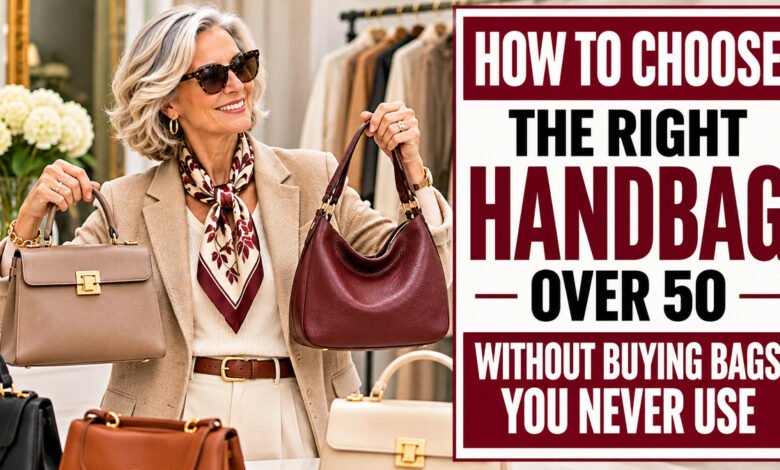
A handbag can make a very simple outfit feel finished. It can also make a good outfit feel awkward, bulky, too formal, or strangely dated.
That is why choosing the right handbag over 50 is not really about age. It is about fit, comfort, scale, and usefulness. The most flattering handbag is not always the most expensive one or the trendiest one. It is the one that works naturally with your clothes and your day.
Many women reach a point where they are tired of buying bags that look beautiful in theory but sit in the closet because they are too heavy, too small, too stiff, or just not practical. The good news is that you do not need dozens of handbags or a completely new set of rules. You simply need a smarter way to choose them.
Start With Your Real Life, Not the Bag Trend
The easiest mistake is buying a handbag for an imaginary lifestyle.
A tiny top-handle bag may look elegant online, but if you carry reading glasses, a wallet, your phone, keys, lipstick, tissues, and a few extras, it may become annoying very quickly. On the other hand, a huge tote may feel excessive if most days you only need the basics.
Before you think about fashion, ask yourself:
- What do I actually carry most days?
- Do I like being hands-free?
- Am I walking a lot, driving, traveling, or mostly going to appointments and lunches?
- Do I need easy access or more security?
- Do I want one bag for everyday use or different bags for different jobs?
When you answer those questions honestly, the field gets much smaller. You stop looking at every attractive handbag and start looking for the ones that truly fit your routine.
A medium shoulder bag or a well-sized crossbody is often the easiest everyday option because it works with casual clothes, polished separates, and simple dresses without demanding too much from the outfit.
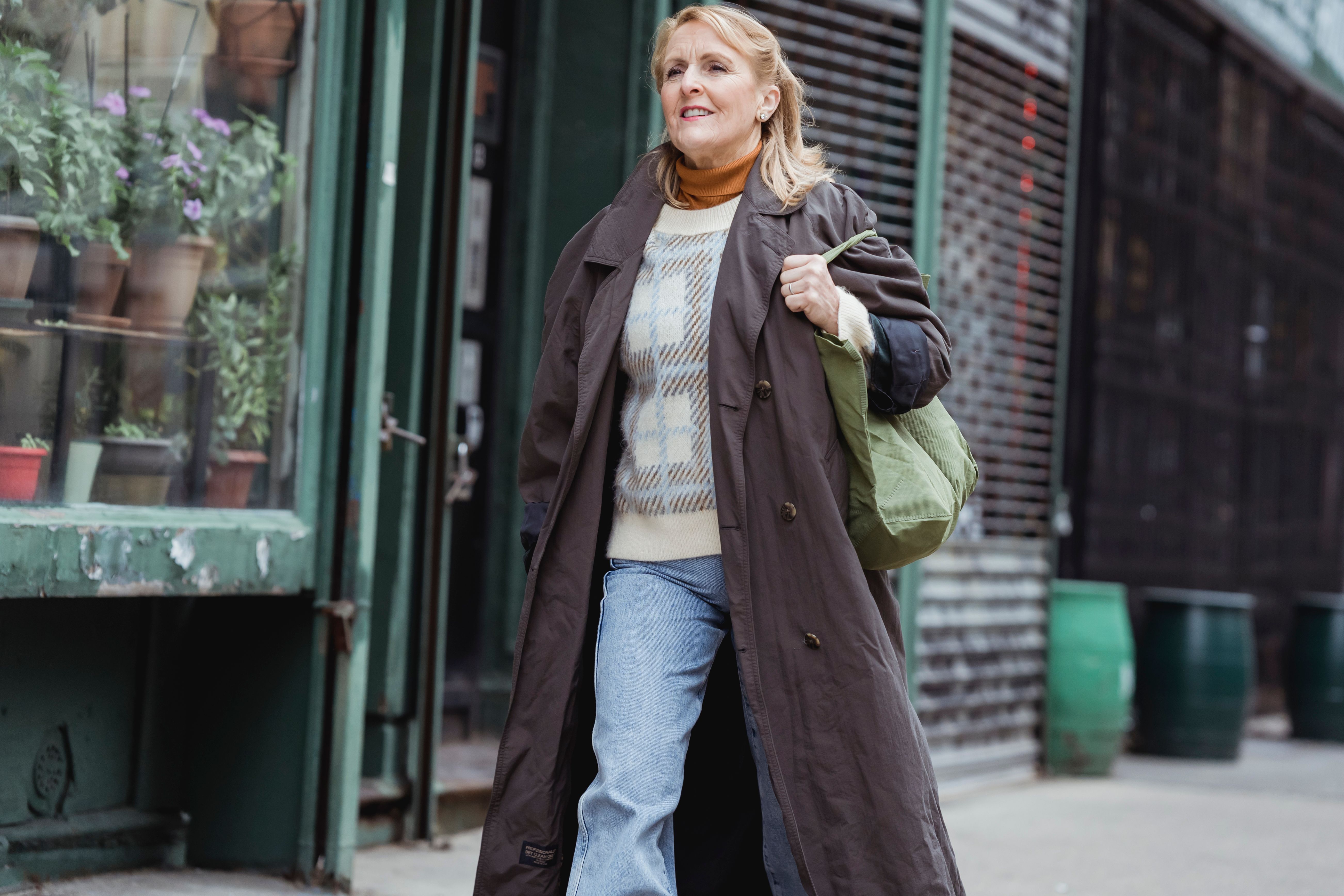
The Size of the Bag Changes the Whole Outfit
A handbag is not just an accessory. It becomes part of the shape of your outfit.
That is why size matters so much. A bag that is too small can disappear or feel disconnected from the rest of your clothes. A bag that is too large can dominate your look and make the outfit feel heavier than it needs to.
Instead of thinking in terms of “big bag” or “small bag,” think about visual balance.
A few examples
- A large soft tote works well with relaxed layers, coats, casual separates, or travel days.
- A medium structured shoulder bag works with almost everything and is usually the safest all-rounder.
- A small crossbody works beautifully with light outfits, errands, and days when you want less bulk.
- A small polished bag works for dinners, events, and dressier outfits.
If you wear softer outfits often, a handbag with a little structure can help give the look shape. If your clothes are already quite tailored, a softer bag can stop the outfit from feeling too rigid.
A good test
Stand in front of the mirror with your outfit on and carry the bag. If the handbag becomes the first thing you notice, ask yourself why. It may be too large, too stiff, too bright, or sitting at an awkward point on the body.
Where the Bag Sits Matters Too
Women often focus on the bag itself and forget the strap length. But where the bag lands can completely change how balanced it looks.
A crossbody or shoulder bag naturally draws attention to the point where it rests. If it hits at the widest part of the hip or cuts across the outfit awkwardly, the whole look can feel off even if the handbag is beautiful.
This is why adjustable straps are so useful. A small change in strap length can make a bag look much better.
Practical rule
- If the bag feels like it is interrupting the outfit, adjust the strap first.
- If it still feels awkward, the problem may be the bag’s shape or scale rather than the color.
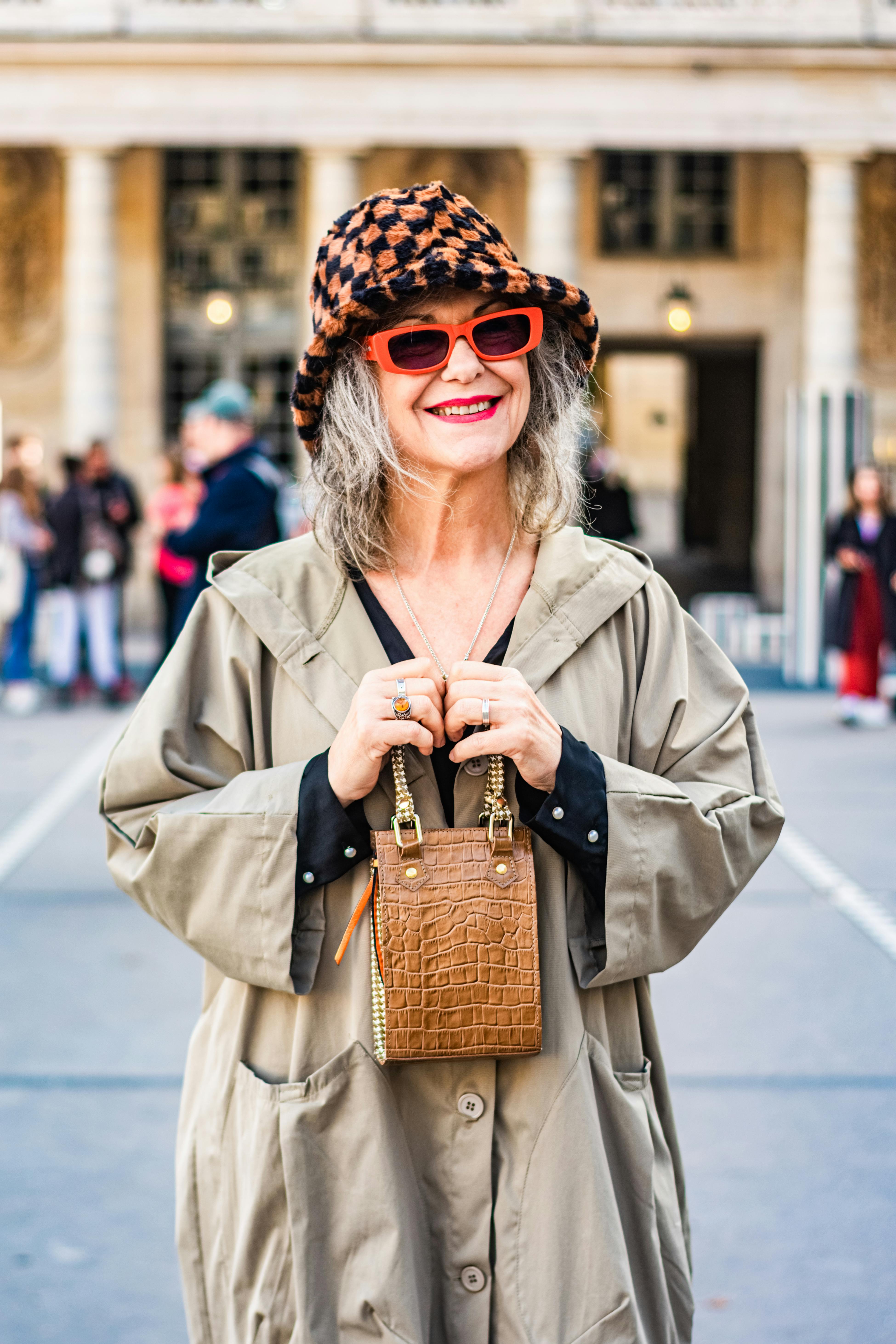
Choose a Color That Already Belongs in Your Wardrobe
A useful handbag color is not always black.
Black is classic, but if your wardrobe is mostly cream, camel, olive, navy, denim, soft gray, and warm neutrals, then cognac, taupe, chocolate, tan, or muted beige may work more naturally. If your wardrobe leans toward black, charcoal, white, burgundy, and cooler tones, then black, deep taupe, or navy may make more sense.
The best handbag color is usually the one that quietly connects with the clothes you already wear all the time.
Good everyday handbag colors
- Cognac
- Chocolate brown
- Taupe
- Navy
- Black
- Cream
- Soft olive
- Muted burgundy
You do not have to match your handbag exactly to your shoes. In fact, exact matching can sometimes feel too forced. It is usually enough for the colors to feel related.
For example:
- Tan shoes + cognac bag
- Navy trousers + brown bag
- Black loafers + burgundy bag
- Cream outfit + taupe handbag
The goal is harmony, not perfect duplication.
Material Changes the Mood of the Bag
The same bag shape can feel completely different depending on the material.
- Smooth leather looks polished and classic.
- Pebbled leather is practical and forgiving for everyday use.
- Suede adds softness and texture.
- Canvas or nylon can be great for travel or casual days.
- Woven texture can lighten a spring or summer outfit.
If your clothing is usually simple, textured handbags can add interest without needing a loud color. If your wardrobe already has prints, scarves, or statement jewelry, a cleaner handbag may be the better balance.

Comfort Is Not a Small Detail
A handbag can be stylish and still be wrong for you if it becomes uncomfortable after twenty minutes.
Over time, many women become less interested in carrying something beautiful but irritating. And honestly, that is not being boring. That is being practical.
Here is what to check
- Is the strap comfortable on your shoulder?
- Is the bag too heavy before you even put your things inside?
- Can you open it easily?
- Does it stay on your shoulder or keep sliding off?
- Can you wear it comfortably with a coat or blazer?
- Does the hardware feel heavy or noisy?
- Are the handles too short for your arm?
A bag with a very narrow strap can dig in. Very heavy hardware can make an empty bag feel exhausting. Deep, unstructured interiors can also be frustrating if you can never find anything.
A polished handbag should make your day easier, not more annoying.
A smart shopping habit
If you are shopping in person, place your usual essentials inside the bag before deciding. Many handbags feel fine when empty and very different once they are actually in use.
Structure Should Match the Way You Dress
Not everyone needs a stiff, formal handbag.
Some women look best and feel most like themselves with softer leather bags, relaxed shapes, and a little movement. Others prefer clean, structured bags that make jeans and knitwear feel more polished.
Your handbag should match your style personality.
If you dress casually most of the time
Try:
- Medium shoulder bags
- Crossbody bags
- Soft hobos
- Leather totes with simple lines
If you dress in a more polished way
Try:
- Structured shoulder bags
- Top-handle bags
- Cleaner silhouettes
- Simple leather bags with minimal hardware
If you want one bag to work hard
Look for a medium-size bag with light structure, clean hardware, and a neutral color. That tends to be the most versatile combination.

Build a Small Handbag Wardrobe Instead of Chasing Every Style
A very common problem is owning many handbags that all do the same job.
Instead, it is much more useful to build a small handbag wardrobe where each bag has a purpose.
A practical three-bag wardrobe
1. The Everyday Bag
A medium shoulder bag or crossbody in your best neutral. Use it for errands, appointments, lunch, shopping, and ordinary days.
2. The Roomier Bag
A tote or larger bag for travel, work, carrying extra items, or layered outfits.
3. The Smaller Polished Bag
A more refined bag for dinners, celebrations, occasions, or when you want the outfit to feel a little more elevated.
This is enough for many women. You can always own more, but these three categories keep you from buying random bags that do not fill any actual need.
Watch the Details That Date a Bag Quickly
You do not have to follow every trend, but details do affect whether a handbag feels modern or outdated.
A bag can feel harder to style when it has:
- Overly shiny or busy hardware
- Very large logos
- Too many zippers
- Too many dangling tassels
- Loud color blocking that goes with very little
- An awkwardly stiff shape that fights casual clothing
That does not mean those things are always wrong. It just means they tend to be less versatile.
If you want a bag you can carry often, cleaner lines are usually easier. Then you can add personality elsewhere through shoes, scarves, jewelry, or the outfit itself.
An Easy Formula When You Are Unsure
If you are not sure which handbag works, use this simple formula:
Simple clothes + one useful handbag + comfortable shoes
For example:
- Straight-leg jeans + knit sweater + medium leather shoulder bag + loafers
- Midi dress + cardigan + structured medium bag + flats
- Tailored trousers + blouse + small polished bag + low heels
- White shirt + relaxed jeans + crossbody bag + sneakers or sandals
This works because the handbag supports the outfit instead of trying to rescue it.
Quick Handbag Checklist Before You Buy
Before buying a handbag, ask:
- Does it work with at least three outfits I already wear?
- Is it the right size for what I carry?
- Is the strap comfortable?
- Is it too heavy?
- Will I realistically use it in my actual life?
- Does the color connect with my wardrobe?
- Is the design clean enough to wear often?
If the answer to most of those is yes, it is probably a much better purchase than a trendy bag you are unsure about.
Frequently Asked Questions
What is the best handbag size for women over 50?
There is no one best size, but medium bags are often the easiest because they balance practicality and style well.
Are crossbody bags flattering over 50?
Yes. A simple crossbody can look very stylish. The key is choosing one with the right size and adjustable strap so it sits well on the body.
Does my handbag need to match my shoes?
No. It is enough for them to feel related in tone or mood. Exact matching is optional.
Is black always the best handbag color?
Not necessarily. Brown, taupe, navy, cream, or burgundy may work better depending on the colors you wear most.
How many handbags do I really need?
There is no fixed number, but a small wardrobe of three useful bags can cover most situations very well.
Final Thoughts
Choosing the right handbag over 50 is not about dressing “for your age.” It is about choosing a bag that supports the life you actually live, the clothes you actually wear, and the level of comfort you really need.
The best handbag is often not the loudest or the most complicated. It is the one that feels right with your outfit, sits well on your body, carries what you need, and makes getting dressed easier instead of harder.