
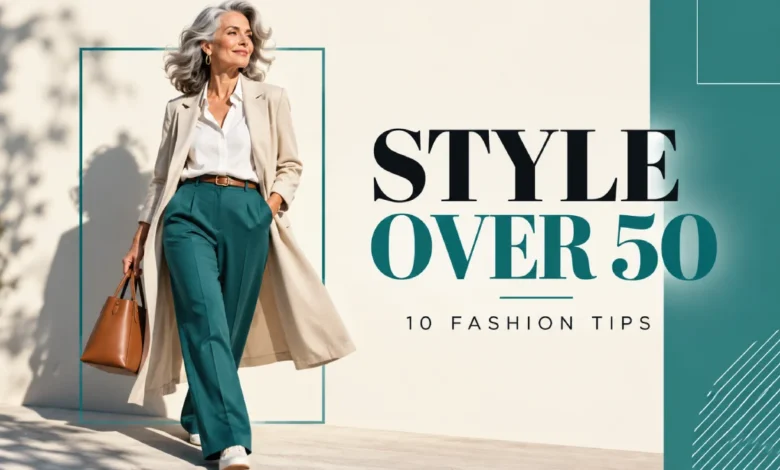
Getting dressed after 50 does not mean replacing your personality with a list of fashion rules.
In fact, this can be one of the best times to refine your style. You know which colors you reach for, which shoes you actually wear, and which clothes spend most of the year untouched at the back of the closet.
The challenge is often simpler: figuring out how to make familiar pieces feel fresh again.
The best fashion tips for women over 50 are not about dressing younger. They are about better fit, stronger outfit combinations, comfortable fabrics and a few thoughtful details that make everyday clothes look intentional.
You do not need a completely new wardrobe to get there. Start with these 10 ideas.
1. Add One Polished Layer Before You Leave the House
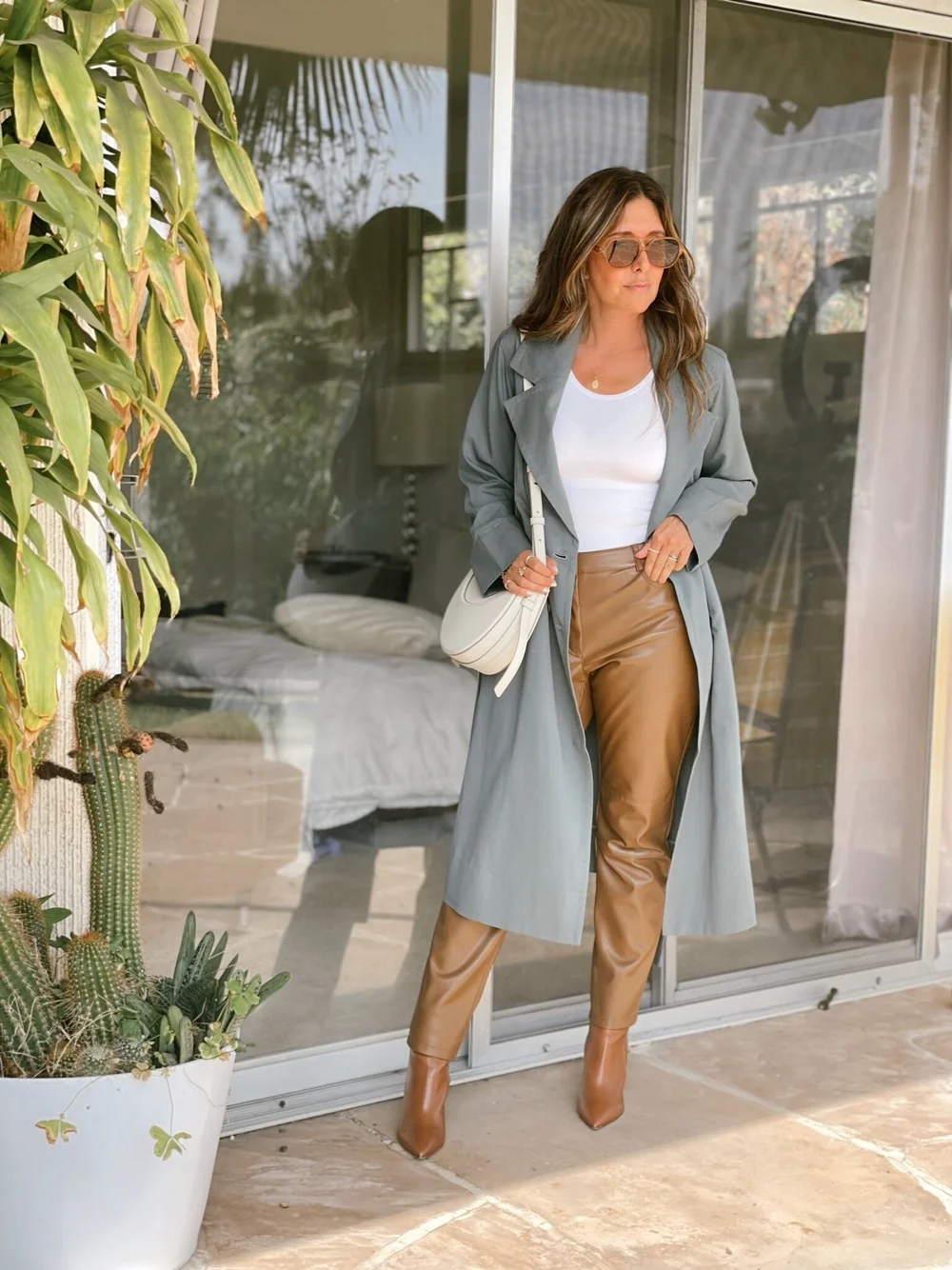
A coat, blazer or structured jacket can completely change an otherwise simple outfit.
This works especially well when most of your wardrobe is built around basics. Jeans, a knit, trousers or a plain blouse may feel ordinary on their own, but a polished outer layer gives the outfit a clear shape.
The key is choosing structure without stiffness. Look for jackets that sit cleanly through the shoulders, coats that fall smoothly rather than adding bulk, and blazers that can comfortably be worn open.
You do not need to save these pieces for work or special occasions either. Try a tailored coat with leather-look trousers and a knit, a blazer over a T-shirt and jeans, or a lightweight jacket over a simple column of color.
Easy style formula: Simple base + structured outer layer + clean shoes.
When the rest of the outfit is uncomplicated, that third piece often does most of the styling for you.
2. Bring Color Close to Your Face
Neutral wardrobes are useful, but they do not have to become predictable.
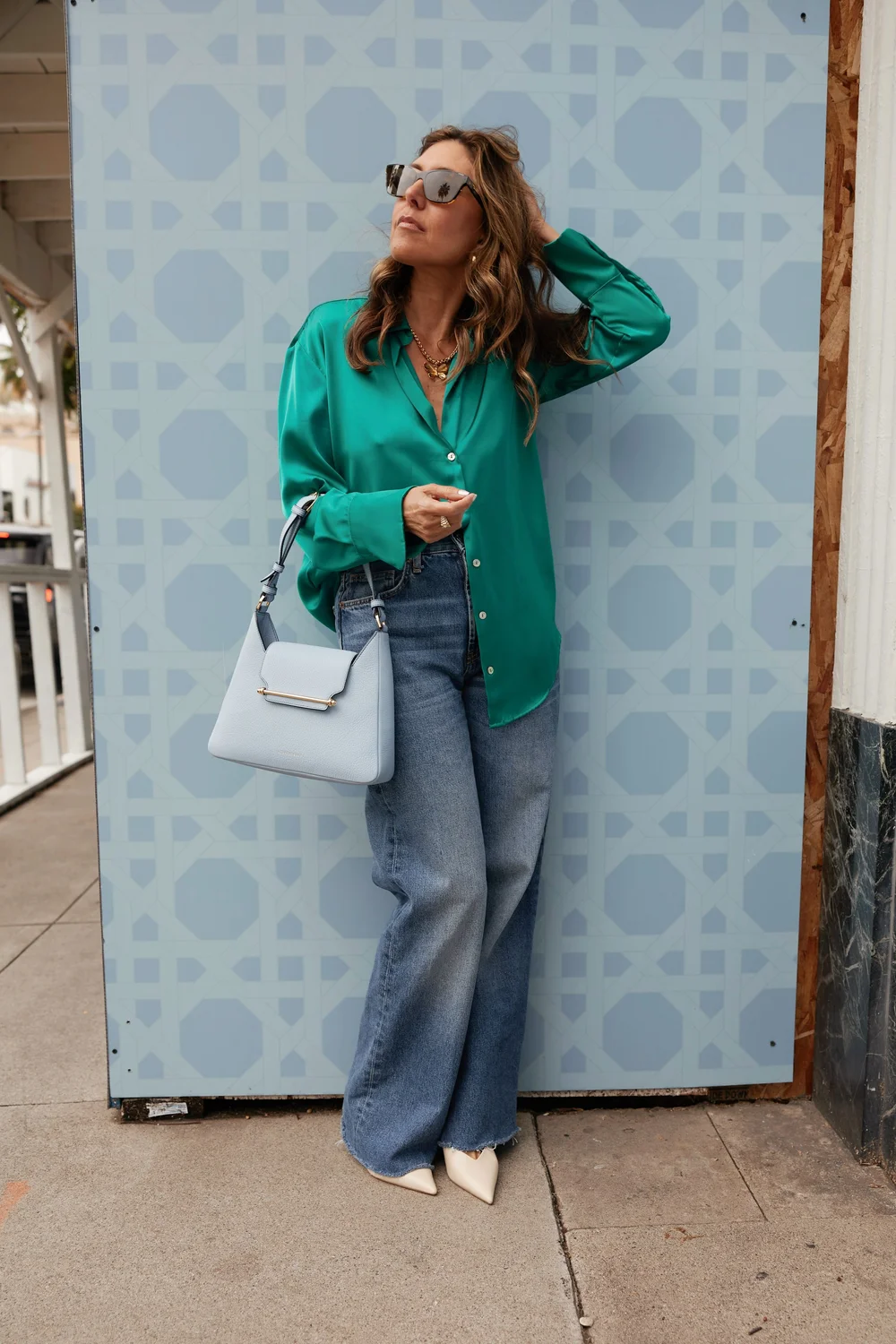
One of the easiest ways to refresh your wardrobe after 50 is to introduce color through a blouse, knit, jacket or scarf near your face.
A rich green satin shirt with jeans is a good example. The outfit itself is simple, but the color and fabric immediately give it more presence.
You could use the same idea with cobalt blue, burgundy, teal, coral, soft pink or whichever colors make you feel especially good.
If bright shades feel intimidating, keep everything else quiet. Pair a colorful top with denim, cream trousers, navy pants or a neutral skirt instead of trying to coordinate several bold pieces at once.
The goal is not to wear more color simply because you are over 50. It is to use color intentionally instead of automatically reaching for black every morning.
3. Make Jeans Look More Intentional With Tailoring
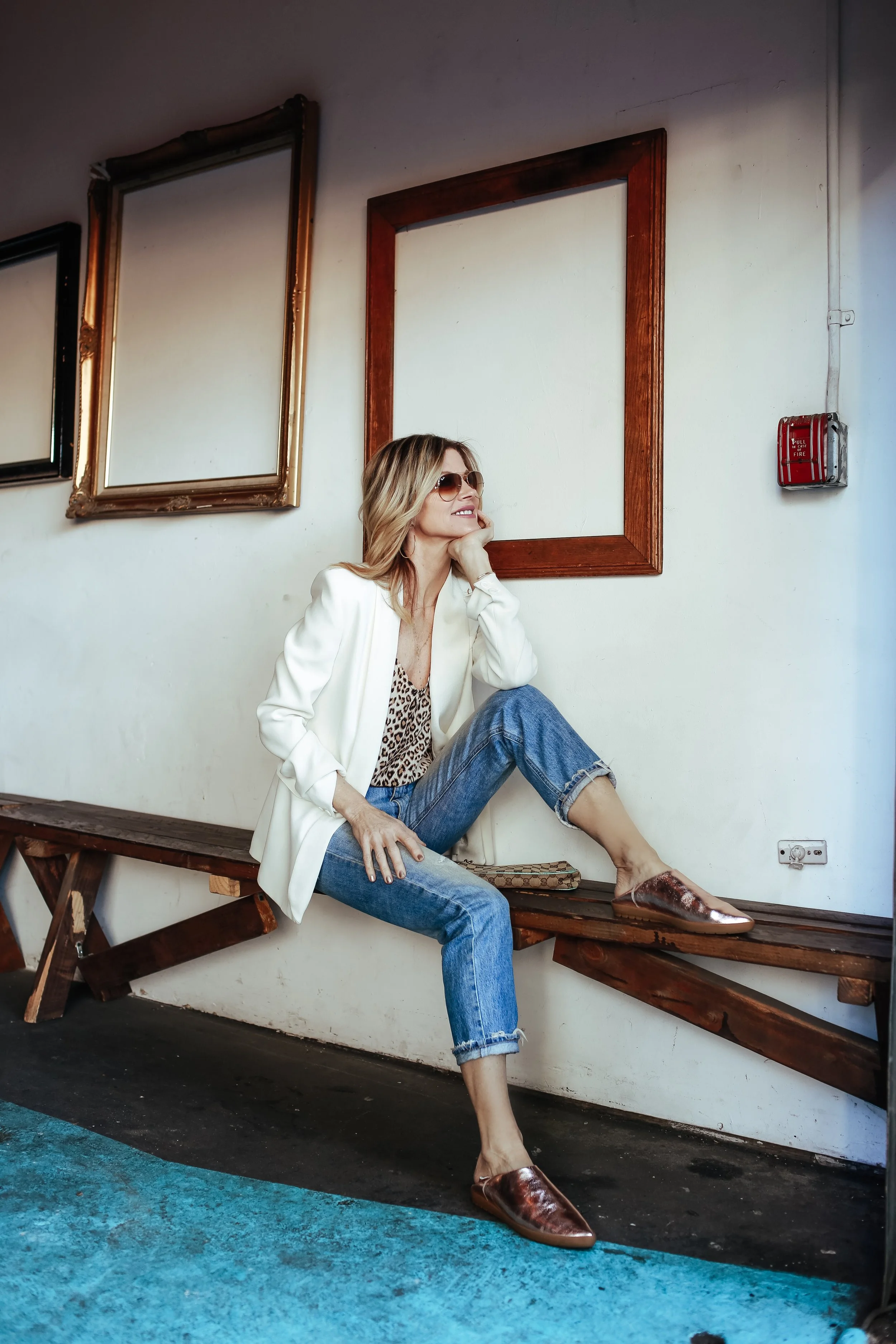
Jeans absolutely still belong in a stylish wardrobe over 50. What often makes the difference is what you wear with them.
Instead of treating denim as purely casual, pair it with something more polished: a blazer, crisp blouse, elegant knit, structured handbag or refined shoe.
This contrast keeps jeans relaxed without allowing the whole outfit to become overly casual.
Fit matters too. Straight-leg, slim-straight, trouser-style and bootcut jeans can all work beautifully. Rather than choosing a shape because it is supposedly the most flattering for your age, pay attention to how the rise, hip and leg sit on your own body.
Quick upgrade: Swap a casual sweatshirt for a blouse or blazer while keeping the same jeans. The outfit instantly feels more finished.
4. Try Denim in a More Styled, Intentional Way

Denim does not need to be treated as the most basic part of your wardrobe.
A denim shirt, jacket or pair of jeans can look much more modern when the outfit has a clear shape and one or two refined accessories.
If you wear denim on denim, use slightly different washes so the outfit does not look overly matched. A medium-wash shirt with darker jeans is often easier than two identical blues.
Break up the denim with a belt, handbag, scarf or contrasting shoe. If both pieces are relaxed, define some part of your shape by tucking the shirt, pushing up the sleeves or adding a belt.
And if classic blue-on-blue is not your style, try denim in cream, black, gray or ecru.
5. Let Clean Tailoring Create the Shape
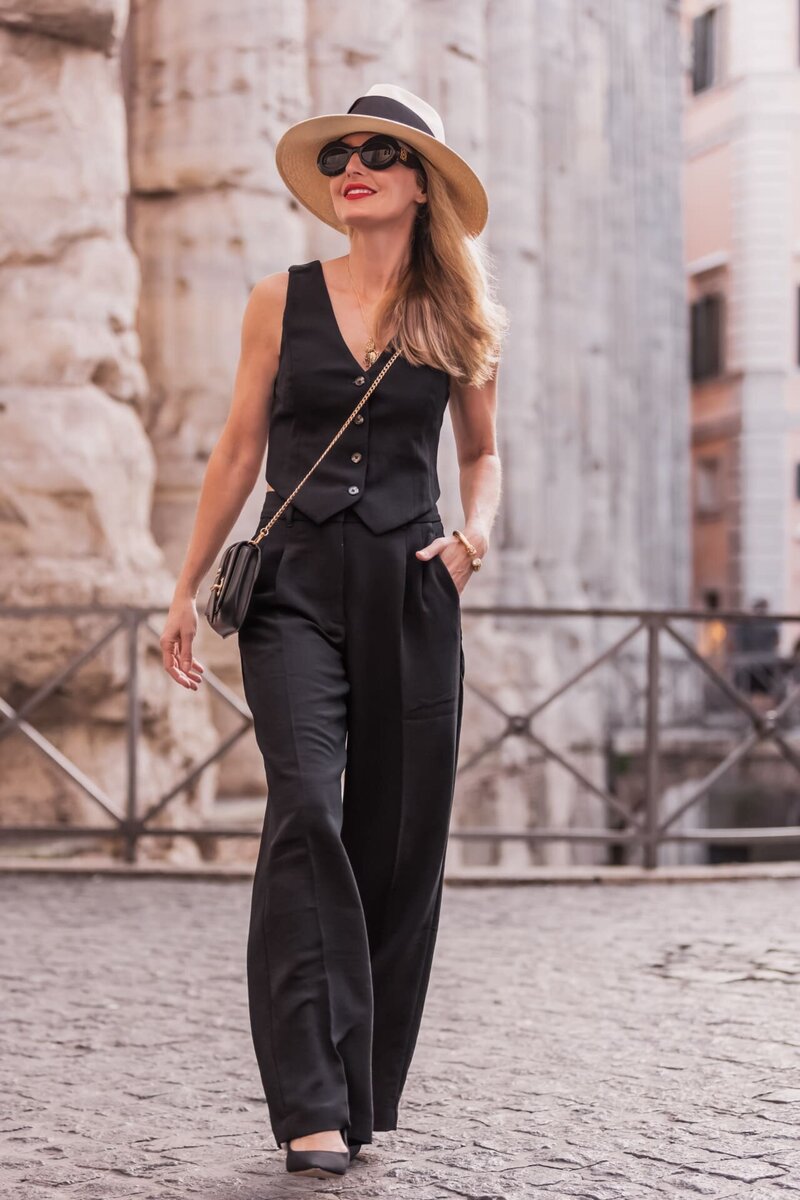
When an outfit feels shapeless, the answer is not always tighter clothing. Often, what is missing is simply a stronger line.
A tailored waistcoat, blazer, straight trouser or crisp shirt can create definition without clinging to the body.
A waistcoat is particularly useful because it adds structure while keeping the arms free. Wear one over a fitted tee, silky blouse or simple knit, then pair it with matching trousers or jeans.
This is also where alterations can make an enormous difference. If you love a jacket but the sleeves are too long, shorten them. If trousers fit perfectly through the hips but pool at the ankle, adjust the hem.
Pay attention to three areas first: shoulders on jackets, waist and rise on trousers, and sleeve or trouser length.
6. Use Texture and Pattern to Make Basics More Interesting

A wardrobe made entirely of smooth basics can sometimes feel flat, even when every piece technically works.
Texture solves that problem.
Tweed, suede, leather, ribbed knits, linen, boucle and woven accessories add visual interest without requiring a complicated outfit.
A textured jacket with jeans is an easy example. The jeans keep the look relaxed while the jacket adds richness and structure.
Patterns can work in the same way. Plaid, stripes, leopard and subtle checks are easiest to wear when the rest of the outfit remains relatively simple.
Try this: If an outfit feels boring but the fit is already good, add texture before adding more color.
7. Create Contrast Instead of Adding More Pieces
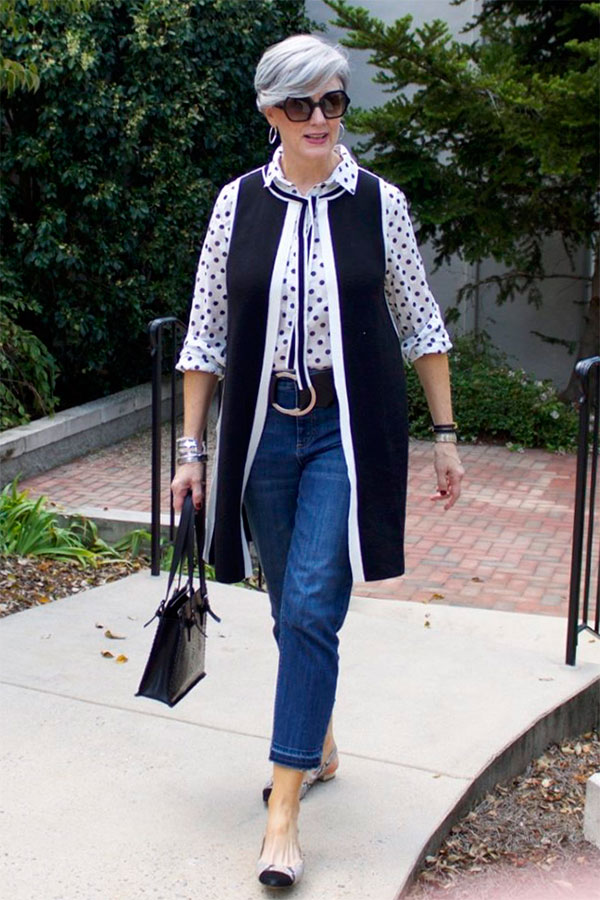
Stylish outfits do not have to contain a lot of clothing. Sometimes the most effective outfits are built around contrast.
Think cream against dark denim, black with ivory, camel with white, navy with pale blue or burgundy with gray.
Contrast helps individual pieces stand out while keeping the outfit easy to understand visually.
You can also use contrast through texture rather than color. A soft knit with structured denim, a silky blouse with matte trousers or a refined jacket with relaxed jeans can create the same effect.
If black and white feels too sharp, soften it with navy and cream, chocolate and beige, charcoal and ivory, or olive and ecru.
8. Balance a Statement Skirt With a Simpler Top

Midi and maxi skirts can be some of the easiest pieces to style once the proportions are right.
If the skirt has volume, print or movement, keep the upper half relatively clean.
A simple button-down shirt, fine knit sweater or uncomplicated tee allows the skirt to be the focus.
The waist area matters too. A very long, loose top over a full skirt can create more volume than you intended. Try tucking the top, doing a soft front tuck, tying a shirt at the waist or choosing a slightly shorter knit.
Shoes change the feeling of the outfit quickly. Sneakers make a skirt casual, loafers give it a smart daytime feel, ankle boots add more weight for fall, while sandals or a low block heel keep things lighter.
9. Use a Simple Shirt to Ground a Statement Skirt
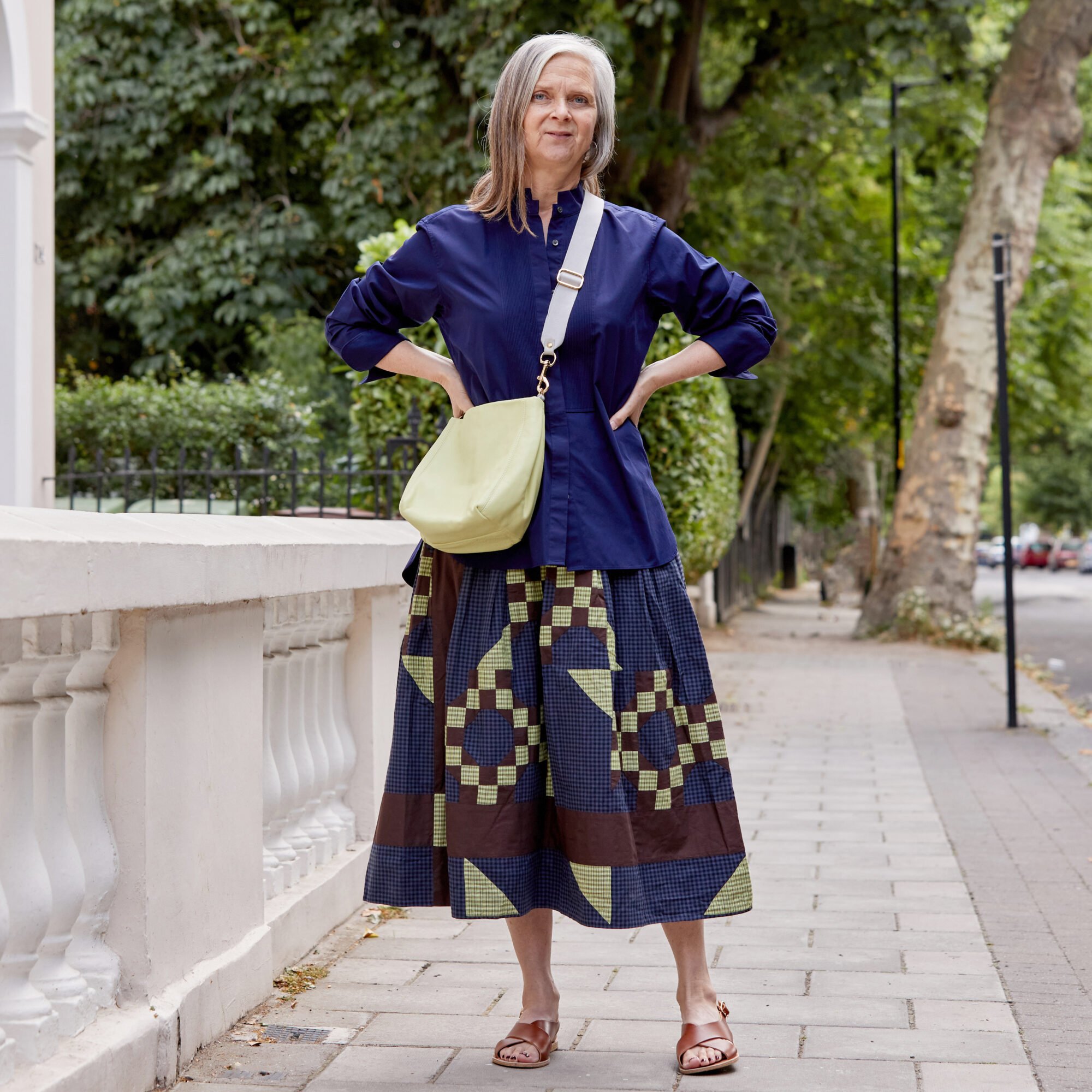
Few combinations are easier to personalize than a simple shirt with a statement skirt.
A clean button-up can calm a bold print, balance volume and give the outfit enough structure without competing with the skirt.
Do not feel that the shirt must always be optic white. Navy, ivory, soft blue and muted neutrals can work just as well.
The easiest styling trick is to avoid wearing it too perfectly. Roll the sleeves, leave the collar relaxed, do a partial tuck or wear it slightly loose.
When you do not know what top to wear with a patterned skirt, interesting trouser or statement accessory, a simple shirt is often the most useful place to start.
10. Build a Neutral Outfit With Different Textures
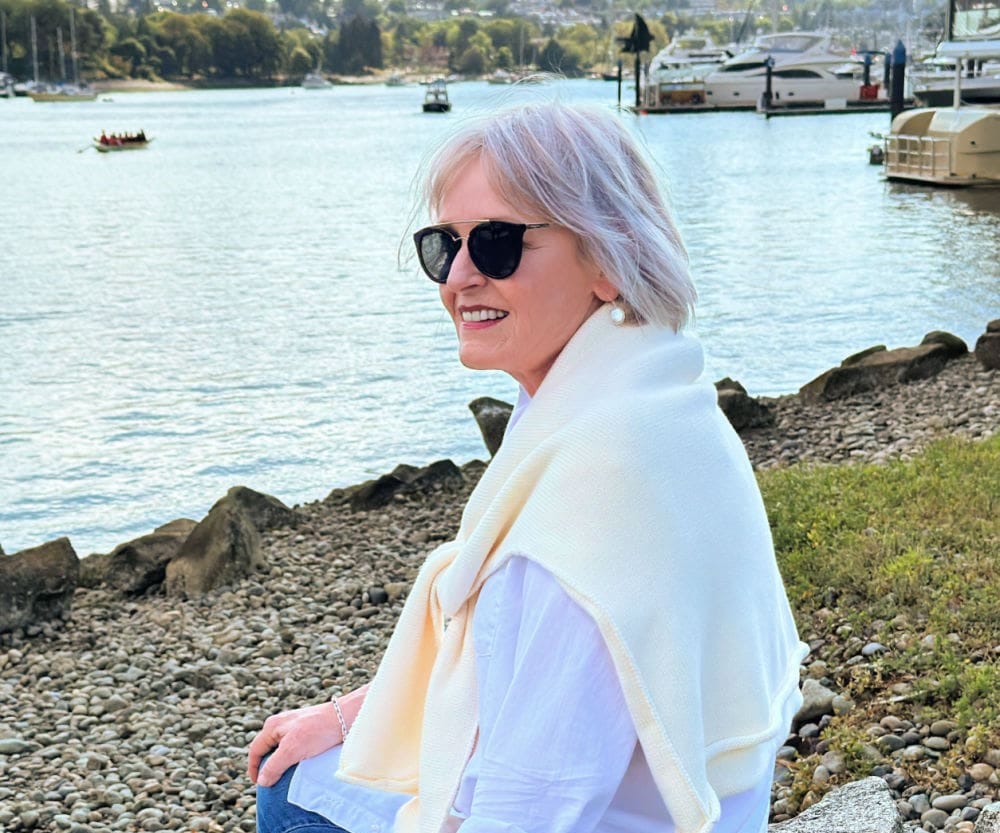
Head-to-toe neutrals can look sophisticated without requiring much coordination.
The trick is preventing the outfit from becoming flat.
Instead of wearing several pieces in exactly the same fabric and shade, mix neighboring colors and textures: cream with ivory, beige with camel, chocolate with tan, or gray with charcoal.
Then vary the surfaces. A knit sweater might sit next to smooth trousers, suede shoes, a leather handbag and a soft scarf.
Accessories matter here too. Gold jewelry warms beige and camel, while silver works beautifully with gray and black.
Monochrome dressing should feel easy, not strict. Your shoes, bag and jacket do not need to be the exact same shade.
Easy Outfit Formulas for Women Over 50
When you are standing in front of a full closet and nothing seems to work, return to a simple formula.
| Occasion | Outfit Formula |
|---|---|
| Everyday errands | Straight-leg jeans + knit top + jacket + loafers or clean sneakers |
| Lunch with friends | Trousers + silky blouse + structured handbag + flats |
| Casual evening | Dark jeans + blazer + simple top + ankle boots |
| Warm weather | White jeans + colorful blouse + sandals + woven bag |
| Travel | Comfortable trousers + tee + cardigan or jacket + sneakers |
| Dressier daytime | Midi skirt + tucked shirt + low heel or loafer |
| Easy fall outfit | Fine knit + printed skirt + ankle boots |
| Smart casual | Wide-leg trousers + blouse + waistcoat or blazer |
These formulas are only starting points. Once you find two or three combinations that consistently make you feel good, repeat them. Change the color, fabric, accessories or shoes rather than reinventing your wardrobe every morning.
What Usually Makes an Outfit Look More Polished?
It is rarely one expensive item. Usually, it is several small decisions working together.
- Fit: clothes sit properly through the shoulders, waist and hem.
- Proportion: not every piece is oversized, cropped, fitted or long at the same time.
- Shoes: they are clean, comfortable and visually connected to the outfit.
- Fabric: it hangs rather than constantly clinging or twisting.
- Finishing detail: a jacket, scarf, belt, handbag or piece of jewelry gives the outfit a clear final touch.
If the outfit feels unfinished, do not immediately change everything. Ask what one adjustment would improve it most. Sometimes rolling a sleeve or changing a shoe works better than starting over.
Frequently Asked Questions
How can a woman over 50 look stylish without looking overdressed?
Keep the foundation simple and polish one area. Jeans with a blazer, trousers with a good knit, or a midi skirt with a crisp shirt can look stylish without feeling formal. You usually need only one structured or elevated piece.
What should women over 50 wear casually?
There is no single casual uniform. Straight-leg jeans, relaxed trousers, good-quality tees, knitwear, lightweight jackets, cardigans, loafers and clean sneakers are useful because they can be mixed easily. Focus on fit and shape rather than choosing clothes based on age labels.
Can women over 50 still wear jeans?
Absolutely. Choose the cut according to your proportions and comfort. Straight-leg, trouser-style, bootcut, relaxed-straight and slim-straight denim can all work. A secure rise and comfortable fabric are often more important than whichever silhouette happens to be trending.
How can I make basic clothes look more stylish?
Use contrast, texture and one finishing piece. Add a blazer to jeans, tuck a knit into trousers, pair a simple shirt with a printed skirt, or add a structured handbag to a neutral outfit. Simple clothes often look best when the styling is deliberate.
Do women over 50 need to stop following trends?
No. Trends can be useful when they give an existing wardrobe a fresh direction. Instead of rebuilding your closet around every new trend, choose one element you genuinely like—a new denim shape, shoe, color, jacket or accessory—and combine it with clothes you already own.
What colors are best for women over 50?
There is no required palette. Navy, camel, ivory, chocolate, olive and gray are versatile neutrals, while brighter shades can bring energy to an outfit. The best colors are the ones that work with your existing wardrobe and make you enjoy wearing the clothes.
Final Thoughts
Great style after 50 is less about following rules and more about becoming selective.
Keep the jeans that fit beautifully. Wear the color that always earns compliments. Alter the blazer you love instead of buying three replacements. Repeat an outfit formula when it works.
Then use small updates—better proportions, a stronger shoe, an interesting texture, a crisp layer or a well-placed accessory—to keep familiar clothes feeling current.
The goal is not to create a wardrobe that looks impressive hanging in a closet. It is to have clothes that make getting dressed feel easy, comfortable and unmistakably like you.

