When it comes to relationships, age can sometimes play a subtle yet powerful role in shaping the connection between partners.
One scenario that sparks curiosity—and often judgment—is when a man leaves his wife for a younger woman.
For the wife left behind, the experience can be devastating. It’s not just the heartbreak of losing a spouse—it’s the shock, confusion, and the painful questioning of self-worth. For friends and family, it may also feel baffling and hard to accept.
In this post, we’ll look beyond stereotypes and dig into the psychology, emotions, and life circumstances that drive some men to make this decision. While not every situation is the same, these insights can help us better understand the complexity of human relationships.
1. Attraction Drives Them
Physical attraction is an undeniable factor in human relationships. Just as women can be drawn to certain physical traits, men often find themselves captivated by youthful beauty. A younger woman may represent a physical ideal that a man finds highly appealing.
While attraction alone isn’t enough to sustain a relationship, it can be a powerful initial motivator—especially if the man feels that spark is missing in his marriage.
2. Midlife Crisis Sparks Change
Midlife is often a turning point. Men may question their life choices, achievements, and sense of purpose. This introspection can lead to impulsive, even drastic decisions.
For some, a relationship with a younger woman feels like a way to reclaim lost youth or escape feelings of stagnation.
The problem? Decisions made during a midlife crisis often stem from emotion rather than long-term compatibility.
3. Yearning for Adventure
After decades in a predictable routine, some men crave novelty and spontaneity. Younger women may embody that sense of adventure—impromptu trips, late-night conversations, and a lifestyle that feels vibrant compared to the structured reality of a long-term marriage.
4. Seeking More Intimacy
A lack of emotional or physical intimacy in a marriage can leave deep emotional voids.
If a man feels disconnected from his wife, he may look elsewhere for closeness, passion, and affection. A younger partner may seem like the answer, even if the real issue lies in unresolved marital problems.
5. Struggles With Communication
Communication is the lifeline of a relationship.
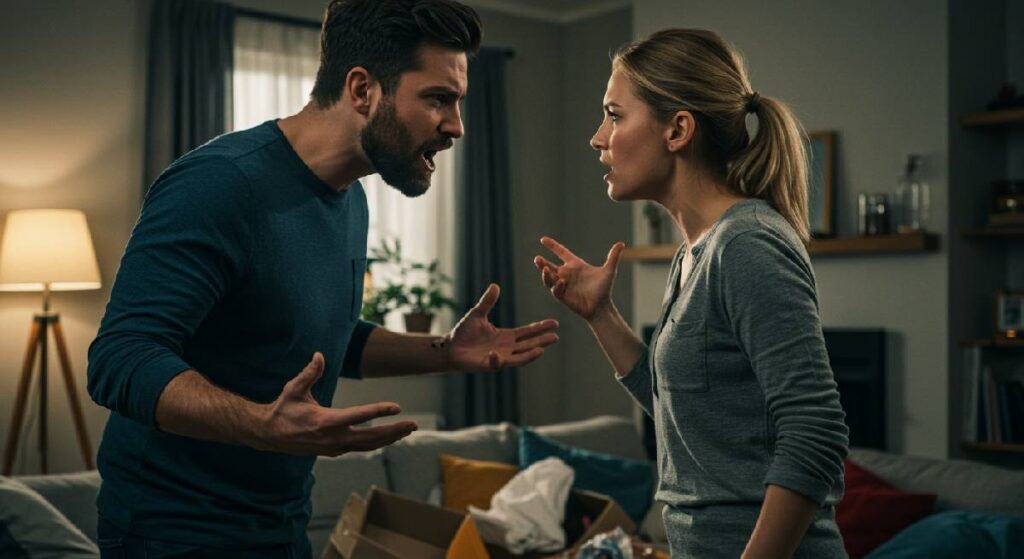
When partners stop truly hearing each other—or when conversations turn into arguments—a man might begin seeking someone he believes will “get” him. A younger woman may appear more open, attentive, or easier to talk to.
6. Ego Boosts From a Youthful Companion
Being desired by a younger partner can be a potent confidence boost.
Men who feel overlooked or taken for granted in their marriage may find validation in the admiration of someone younger, making them feel attractive, desirable, and valued again.
7. Differing Life Stages Lead to Separation
As people age, their priorities and lifestyles evolve.
If a man feels that his wife’s goals no longer align with his own—whether it’s career focus, retirement plans, or social interests—he may turn to a partner whose life stage better matches his current desires.
8. Preference for Youthful Beauty
Society glorifies youth, often equating it with desirability.
Some men internalize these ideals, consciously or unconsciously seeking partners who fit that youthful image.
9. Influence of Peer Pressure
Surprisingly, friends and social circles can play a role.
If a man’s peers have left long-term relationships for younger women, it can normalize the idea and even make it seem aspirational.
10. Desire to Fulfill Fantasies
Long-held fantasies—especially sexual ones—can become powerful motivators.
A man might believe that a younger partner will be more adventurous, which can fuel his decision, regardless of whether it’s true.
11. Emotional Neglect in Marriage
If a man feels emotionally unsupported or invisible at home, he may seek someone who offers emotional validation and comfort.
A younger woman who shows interest and attentiveness can feel like a lifeline.

12. Variety in Life
Decades of routine can dull even strong relationships.
For some men, the appeal of a younger woman lies in the sense of “something different” rather than any specific dissatisfaction with their wife.
13. Feeling of Rejuvenation
Being with someone younger can create a psychological sense of turning back the clock.
A man might feel more energetic, adventurous, and hopeful for the future simply by association.
14. Escape From Routine
Life in a long-term marriage can sometimes feel burdened by responsibilities—mortgages, bills, and family obligations.
A new, younger relationship can symbolize freedom and a fresh start.
15. Perceived Compatibility
Sometimes, a man genuinely believes a younger woman is more compatible with his current personality, interests, and lifestyle.
Compatibility can shift over time, and if couples grow apart, this belief can lead to the pursuit of someone new.
16. Fear of Aging
A relationship with a younger partner can serve as a denial of aging.
For some men, it’s not just about attraction—it’s about clinging to youth and avoiding the reality of getting older.
17. Financial Independence
A man with financial stability may feel freer to make bold relationship choices.
If he can comfortably support a younger partner, he might see it as an opportunity to “start over” without the financial risks others face.
18. Desire for Children
If a man wants to have children—or more children—he may seek a partner in her reproductive prime.
For some, this is a deeply personal and non-negotiable factor.
19. Incompatibility With Spouse
Despite love and shared history, some couples simply aren’t compatible in the long run.
Differences in values, communication styles, and life goals can push a man toward someone he feels is a better fit.
20. Attention and Validation
Feeling unseen or unappreciated can erode emotional bonds.
A younger woman’s interest and admiration can be intoxicating to a man craving recognition.
Are Men Happier With Younger Wives?
The thrill of a new relationship—especially with a younger partner—can feel exciting and invigorating. The attention, admiration, and sense of novelty may create a temporary high that makes life feel fresh again. For some men, this initial rush can be so powerful that it feels like happiness.
However, true and lasting happiness in a marriage comes from far more than physical attraction or the excitement of youth. Emotional connection, trust, shared values, mutual respect, and good communication are what sustain a relationship over the years. If these elements are missing, the spark can quickly fade, regardless of age differences.
Men who marry younger wives and share deep compatibility may indeed thrive. A younger partner’s energy and optimism can inspire personal growth, encourage new experiences, and even help maintain better physical health. For couples who are aligned in life goals and emotional needs, the relationship can be deeply fulfilling.
But for others, the excitement may fade once the everyday realities of life set in. Generational differences in values, priorities, and interests can create misunderstandings or even resentment. For example, one partner may be eager to travel and explore, while the other wants a quieter lifestyle. Over time, these differences can overshadow the initial attraction.
In the end, age alone is not a predictor of marital happiness. Many men find greater fulfillment in a relationship—regardless of their partner’s age—when they feel understood, emotionally supported, and connected on a deeper level. A younger wife may bring joy, but it’s the emotional foundation of the marriage that truly determines long-term satisfaction.
Do Men With Younger Partners Live Longer?
Some studies suggest that men with younger partners may live longer, possibly due to increased energy, activity, and social engagement.
However, longevity is influenced by many factors—health habits, genetics, and emotional well-being—not just a partner’s age.
Is It Better to Marry a Younger Wife?
There’s no universal answer to whether marrying a younger wife is “better.”
While some couples with significant age gaps enjoy vibrant, fulfilling marriages, others struggle with differences in life stage, energy levels, and long-term priorities.
A successful marriage—regardless of age difference—is built on mutual respect, shared goals, emotional intimacy, and effective communication. If those foundations are strong, age becomes far less important.
That said, relationships with large age gaps may require extra effort in certain areas:
- Life goals: Younger partners may still be building their careers, exploring different lifestyles, or wanting children, while older partners might be in a more settled phase.
- Social dynamics: Friends, family, and even strangers may make assumptions or judgments, which can create external pressure.
- Energy and interests: Different physical stamina and lifestyle preferences can sometimes lead to misunderstandings.
On the other hand, age gaps can bring unique benefits:
- Complementary strengths: A more experienced partner may provide stability, while a younger partner brings freshness and energy to the relationship.
- Broader perspectives: Differences in generational experiences can foster growth, curiosity, and adaptability.
Ultimately, the success of the marriage depends less on the number of years between partners and more on how well they connect on an emotional, intellectual, and practical level. Age can influence compatibility—but it doesn’t determine it. Couples who align in values, respect each other’s needs, and work together toward shared dreams can make the relationship thrive, no matter the birth years on their IDs.
Final Verdict
The decision to leave a wife for a younger woman is rarely about a single reason—it’s a mix of personal, emotional, and societal factors.
It’s important to approach this topic without blanket judgments. Every relationship has its own history, struggles, and dynamics.
By understanding the underlying motivations, we can have more compassionate conversations about love, commitment, and what truly sustains long-term relationships.