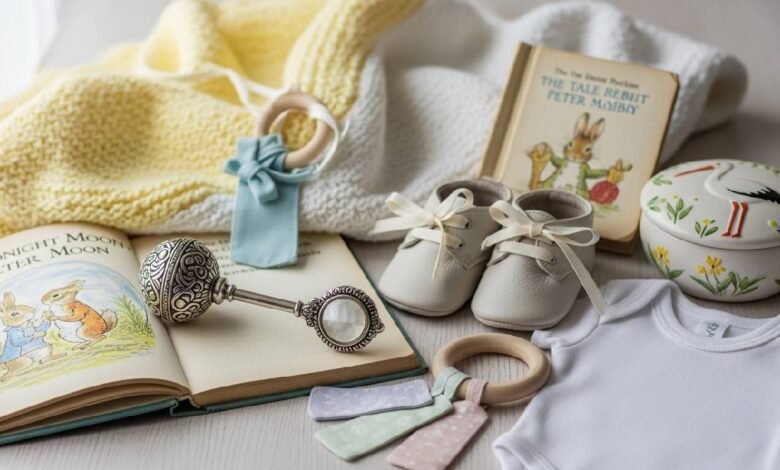
Welcoming a new life into the world is a momentous occasion that has been celebrated across cultures for millennia. While modern gadgets and high-tech monitors often dominate contemporary baby registries, there is a profound beauty in traditional gifts for a newborn baby. These items are steeped in history, symbolism, and the desire to provide the child with a foundation of protection, prosperity, and love.
In 2026, we are seeing a significant “Return to Heritage.” Modern parents, perhaps overwhelmed by the disposable nature of the digital age, are increasingly cherishing gifts that offer permanence. A traditional gift is more than just a physical object; it is a “first heirloom”—a piece of the child’s history that they will one day pass down to their own children.
1. The Symbolic Power of Silver
Across many cultures, silver has long been the gold standard for newborn gifts. Historically, silver was believed to have antimicrobial properties and was a tangible symbol of a family’s investment in the child’s future.
The Silver Spoon and Cup
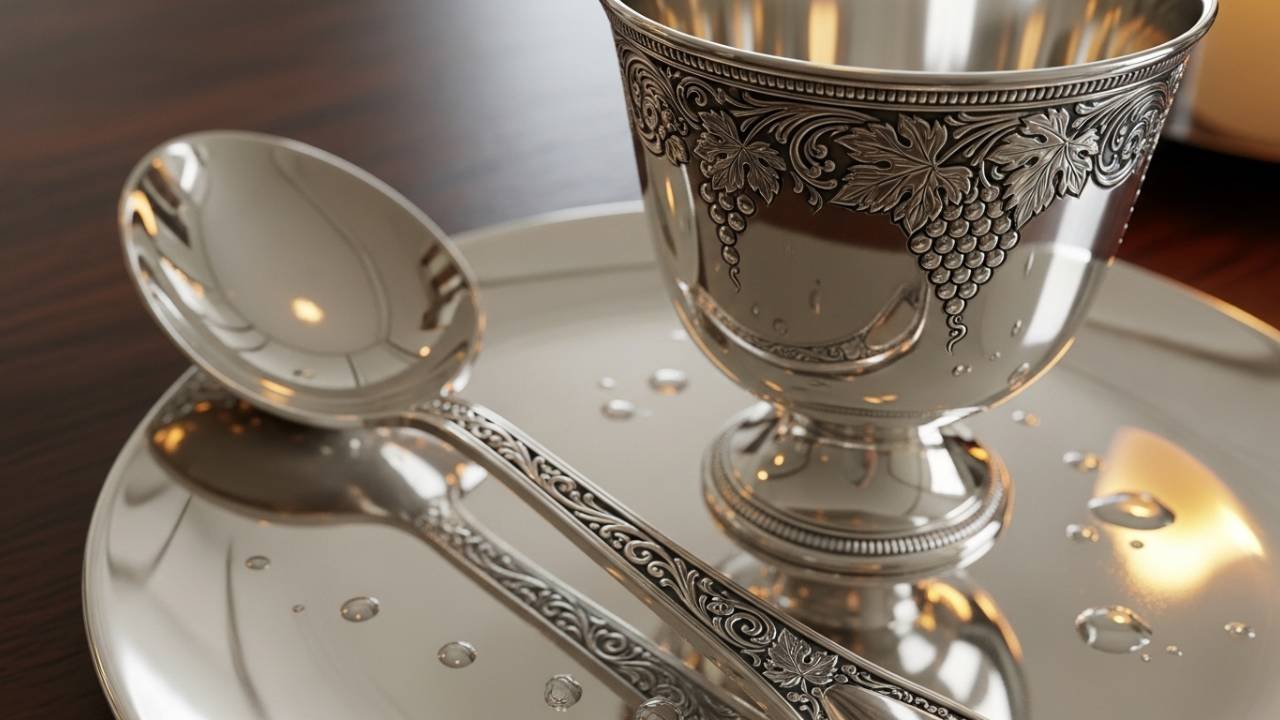
The phrase “born with a silver spoon in his mouth” originates from the tradition of godparents gifting silver spoons at christenings or naming ceremonies.
- The Choice: A sterling silver feeding spoon, a polished mint julep cup, or a silver rattle.
- The Tradition: Silver represents purity and prosperity. Many families choose to engrave these items with the baby’s initials or birth date, transforming a functional item into a permanent record of their arrival.
Silver Jewelry
In many South Asian and Hispanic cultures, silver bangles or anklets are gifted to newborns. These are often believed to ward off the “evil eye” and provide spiritual protection. In 2026, artisanal silversmiths are creating modern, minimalist versions of these traditional pieces that prioritize both safety and aesthetic elegance.
2. Textiles of Comfort: The Heirloom Blanket
The act of wrapping a child in a handmade textile is a universal symbol of a parent’s protection. Traditional blankets are rarely “store-bought” in the conventional sense; they are chosen for their craftsmanship and longevity.
Hand-Knitted or Crocheted Shawls
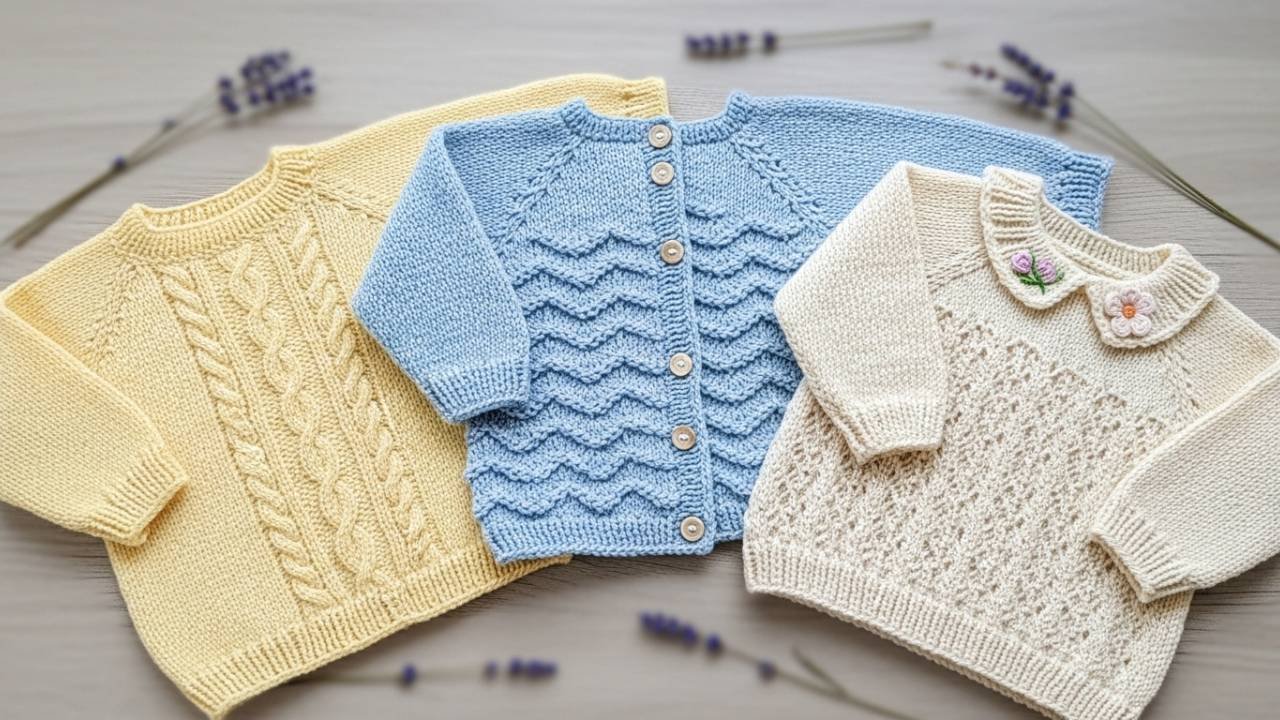
A delicate, white wool or cotton shawl is a staple of traditional ceremonies.
- The Choice: A Pointelle knit or a classic Aran stitch pattern.
- The Sentiment: These blankets often become the “coming home” outfit or the christening wrap. Because they are made of natural fibers, they breathe well and become softer with every generation that uses them.
The Commemorative Quilt
In many Western traditions, a patchwork quilt is a storytelling device. Each square might represent a piece of family history—perhaps fabric from a mother’s wedding dress or a father’s childhood shirt. Gifting a handmade quilt is a gift of identity, showing the baby exactly where they fit within the family tapestry.
3. Literary Foundations: The First Library
Gifting a book is a traditional way of wishing a child a lifetime of wisdom and curiosity. In a world of screens, the physical weight of a beautiful book is a tactile luxury.
Classic Fairy Tales and Nursery Rhymes
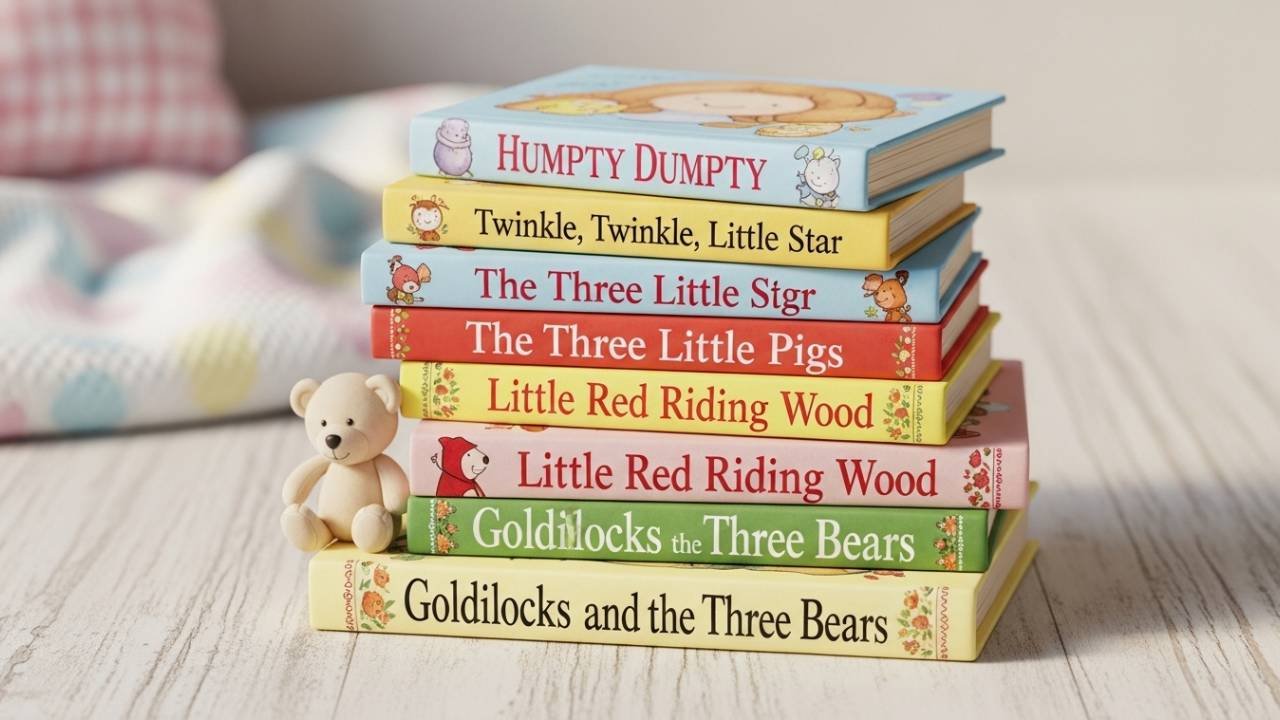
- The Choice: A leather-bound edition of Grimm’s Fairy Tales, The Tales of Peter Rabbit, or a comprehensive collection of Mother Goose rhymes.
- The Practical Edge: These books aren’t just for reading; they are for bedside rituals. The rhythmic nature of nursery rhymes helps with early brain development and phonological awareness.
The Personalized Bible or Holy Book
For religious families, a beautifully bound copy of the family’s sacred text is often the first gift given. These books usually include a “Family History” section in the front, where the baby’s birth, baptism, or naming ceremony can be officially recorded by the parents.
4. Nature and Growth: The Living Gift
A tradition that has seen a massive resurgence in 2026 is the gifting of a “Birth Tree” or a “Life Seed.”
Planting a Birth Tree
- The Tradition: Gifting a sapling (such as an Oak for strength or a Birch for new beginnings) to be planted in the family’s garden.
- The Impact: As the tree grows, so does the child. It provides a visual representation of the passing of time and anchors the child to the earth and their home. For urban families, a high-quality indoor olive tree or a perennial potted plant serves the same symbolic purpose.
5. Comparison: Traditional Gift Impact
| Gift Category | Cultural Symbolism | Longevity | Best For… |
|---|---|---|---|
| Sterling Silver | Prosperity & Health | Centuries (Heirloom) | Godparents & Grandparents |
| Hand-Knit Shawl | Protection & Comfort | 20–50 Years | The “Coming Home” moment |
| Leather-Bound Book | Wisdom & Knowledge | Lifetime | Building a personal library |
| Engraved Rattle | Joy & Celebration | Lifetime (Keep-sake) | A first birthday or naming day |
| Gold Jewelry | Value & Status | Infinite | Cultural heritage & protection |
6. Traditional Treasures: Regional Highlights
Traditional gifting often reflects the specific environment and history of the child’s heritage.
- The Welsh Love Spoon: A hand-carved wooden spoon given as a symbol of care and the promise to always provide food and love.
- The Japanese “Oshichi-ya” Name: Gifting a beautifully calligraphed scroll of the baby’s name on the seventh night after birth.
- The Irish Coin: Placing a silver coin in the baby’s hand to ensure they never know want and always have “luck in their pocket.”
7. The “Wealth Seed”: Financial Tradition
While we think of “traditional” gifts as physical objects, the tradition of gifting gold or land is as old as civilization itself.
The Gold Sovereign or Coin
In many cultures, gifting a gold coin is a way of providing the child with their very first asset.
- The Strategy: A gold sovereign or a small bullion bar is a hedge against inflation. You can present this with a note explaining the math of its value over time:$$V = W \times P$$
Where $V$ is the value, $W$ is the weight of the gold, and $P$ is the current market price. This gift teaches the child the value of Expertise in financial planning as they grow.
8. Presentation: The Art of the Reveal
Traditional gifts require traditional presentation to convey their true weight and importance.
- Natural Materials: Avoid plastic ribbons and glossy paper. Use linen bags, cedar boxes, or silk wraps.
- The Handwritten Letter: A traditional gift is incomplete without a letter. This shouldn’t just be a “Happy Birthday” card. It should be a letter addressed to the child’s future self—explaining who gave them the gift, why it was chosen, and what your hopes are for their life.
- The Family Crest or Seal: If the family has a crest or a specific monogram, using a wax seal on the envelope adds a level of gravitas and “old-world” charm that matches the gift.
Summary Checklist for Traditional Gifting
- Is it timeless? Will this look out of place in 20 years, or is it a classic?
- Is it durable? Traditional gifts are meant to survive childhood and move into adulthood with the recipient.
- Does it have a story? Can you explain the symbolism of the silver, the tree, or the book?
- Is it personalized? Does it bear the marks of the child’s identity (initials, birth date)?
Final Words: A Bridge Across Time
Traditional gifts for a newborn baby act as a bridge. They connect the child to the generations that came before them and provide a sense of continuity in a rapidly changing world. When you choose a traditional gift, you are telling the child: “You belong to a long line of people who have loved, protected, and provided. You are part of a story that started long before you arrived.”
In 2026, where the “new” is always being replaced by the “newer,” the traditional gift remains the ultimate luxury—a gift of permanence, meaning, and soul.