Selecting traditional festival gifts for family requires a delicate balance between honoring ancestral customs and embracing the practicalities of modern life. Whether you are celebrating Lunar New Year, Diwali, Eid, Christmas, or Hanukkah, a festival gift is more than a mere transaction; it is a ritualistic gesture that reinforces family bonds and preserves cultural continuity.
In 2026, the art of traditional gifting has undergone a “Sophisticated Revival.” Families are moving away from mass-produced trinkets and toward The Three Pillars: Heritage, Restoration, and Shared Abundance. As a family member, your gift serves as a bridge between the generations that came before and those that will follow.
1. The “Heritage Archive”: Preservation Gifts
At the heart of every traditional festival is a story. As family members, we are the stewards of these narratives. Gifts that help preserve or tell the family story are among the most meaningful traditional offerings
The Modern Family Altar or Display
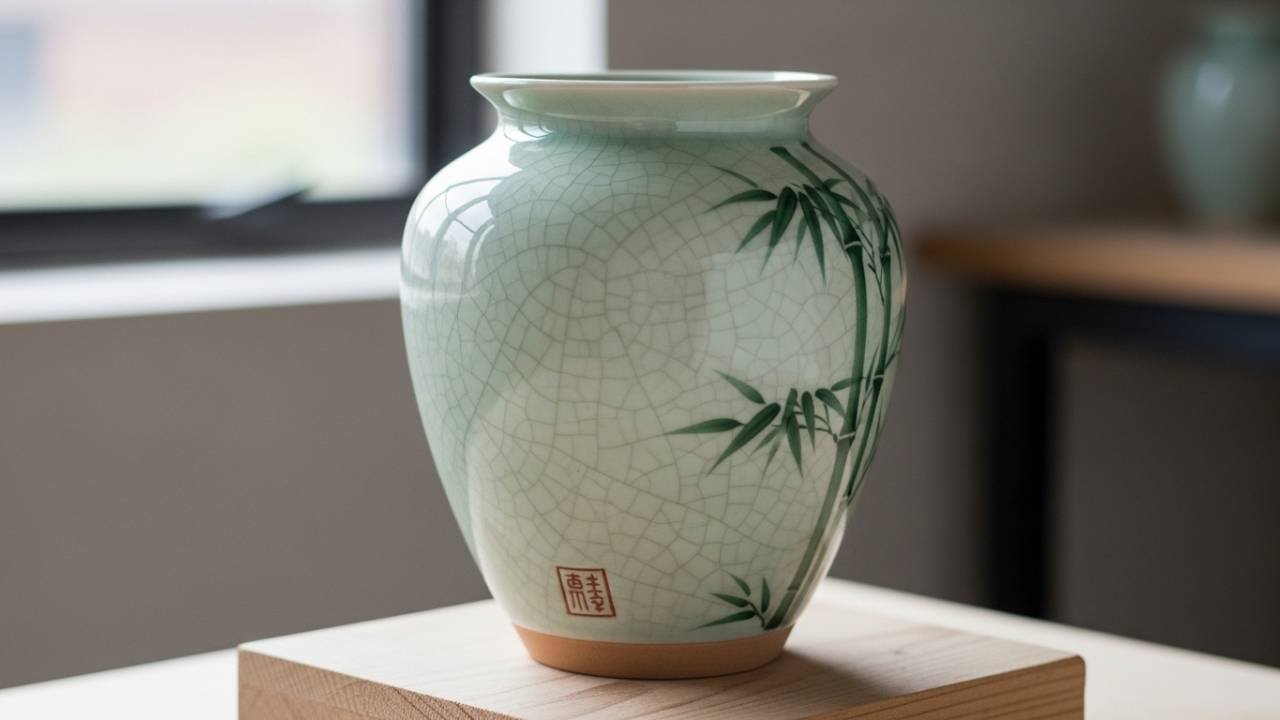
Many traditions involve a central point of reflection in the home—a mantle, an altar, or a display case.
- The Choice: A handcrafted, sustainable wood display case or a bespoke porcelain vessel designed by an artisan from your specific cultural background.
- The Sentiment: This isn’t just decor; it is a home for the family’s sacred or significant objects. In 2026, there is a strong movement toward supporting indigenous artisans to ensure that the “Traditional” in the gift is authentic rather than “inspired.”
The “Ancestor” Digital Archive
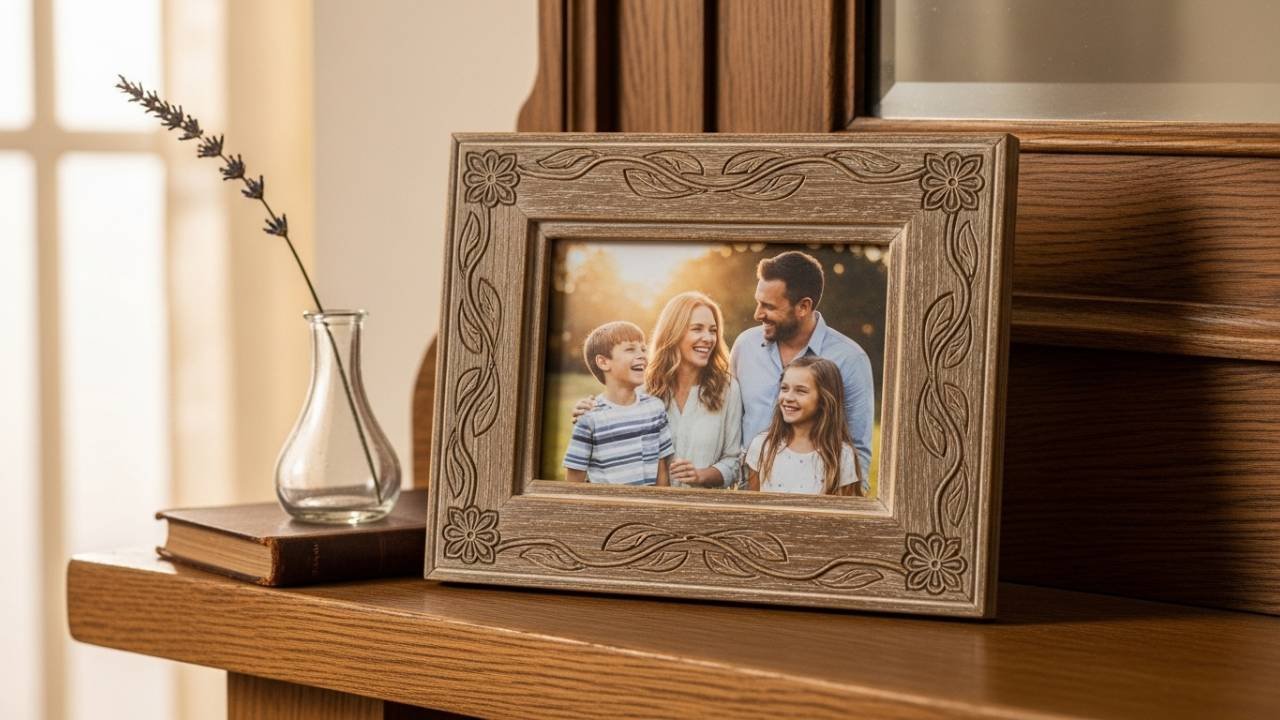
Tradition is often lost when elders pass away. A powerful gift is the preservation of their wisdom.
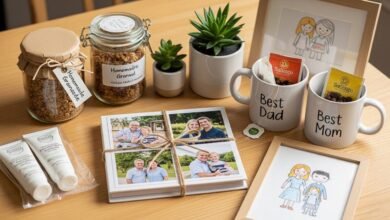
- The Choice: A professional digitization service for old family photos and film, paired with a high-definition digital frame.
- The Impact: During the festival, the family can sit together and watch their history unfold. It turns a solitary archival task into a collective festival event, grounding the younger generation in their roots.
2. The Gift of “Shared Abundance”: Culinary Rituals
Food is the universal language of traditional festivals. However, in 2026, the “gift of food” has shifted from simple baskets to Culinary Experiences and Heirloom Tools.
The Heirloom Kitchen Tool
Every culture has a tool that defines its festival cooking—a heavy cast-iron wok, a brass spice box (Masala Daan), a carved shortbread mold, or a specialized pasta cutter.
- The Choice: A professional-grade, “Buy It For Life” (BIFL) version of this tool, perhaps engraved with the family surname.
- The Utility: You are gifting the ability to recreate the tastes of childhood. It is a functional legacy that will be used every festival for decades to come.
The “Origin” Ingredient Library
- The Choice: A curated collection of rare, single-origin spices, oils, or teas sourced directly from the family’s ancestral region.
- The Modern Touch: Pair these with a handwritten “Family Recipe Book” where each member has contributed their favorite festival dish. This transforms the ingredients into a roadmap of family history.
3. Restorative Rituals: Self-Care and Comfort
Traditional festivals are often periods of high activity and social “performance.” Gifting items that facilitate rest and spiritual reflection is a deeply empathetic choice for family members.
Artisanal Textiles and Garments
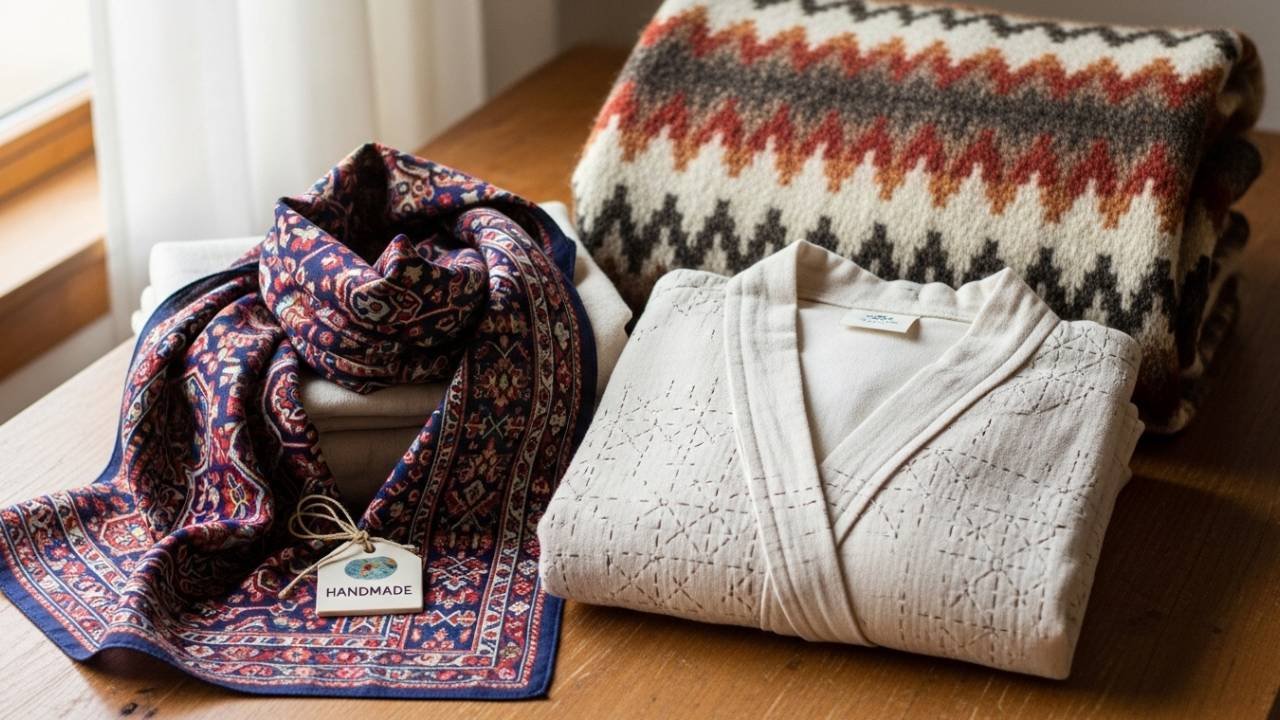
In many traditions, receiving new clothes is a symbol of renewal.
- The Choice: Hand-loomed silk scarves, organic cotton robes, or wool throws featuring traditional weave patterns.
- The Quality: Focus on natural fibers (Silk, Linen, Cashmere). These materials regulate temperature and provide a tactile comfort that synthetic “fast fashion” cannot replicate. It honors the body as much as the tradition.
The “Aromatic” Sanctuary
Traditional festivals often have a specific scent—incense, pine, rosewater, or oud.
- The Choice: High-end, clean-burning candles or essential oil diffusers that use the specific botanical profiles of your tradition.
- The Science: Scent is the strongest link to memory. By gifting the “Scent of the Festival,” you are providing an immediate emotional anchor that helps family members feel “at home,” regardless of where they are.
4. Comparison: Traditional Gift Impact and Purpose
| Gift Category | Cultural Significance | Longevity | Best For… |
|---|---|---|---|
| Heirloom Tools | High (Culinary Heritage) | Lifetime (BIFL) | The “Family Chef” |
| Digitized Archive | Very High (Identity) | Infinite (Digital) | The “Family Elder” |
| Artisanal Textiles | Moderate (Renewal) | 10+ Years | The “Style-Conscious” Relative |
| Scent/Incense | High (Ritual/Spirit) | 3–6 Months | The “Spiritual” Member |
| Investment Seed | Low (New Tradition) | Infinite | The “Next Generation” |
5. The “Wealth Seed”: Financial Continuity
While not “traditional” in the ancient sense, the gift of financial security has become a modern tradition for families looking to empower the next generation during times of celebration.
The “Festival Fund” Investment
In many cultures, gifting money (Red Envelopes, Eidi, or Gelt) is a cornerstone of the festival. In 2026, many families are “upgrading” this cash gift into an investment.
- The Logic: Instead of cash that is quickly spent, open a high-yield savings account or an investment portfolio for a child or young adult.
- The Math of Growth: You can illustrate the power of this “Traditional Upgrade” using the future value formula:
$$A = P \left(1 + \frac{r}{n}\right)^{nt}$$
- The Sentiment: It teaches the recipient that the family is invested in their long-term prosperity, not just their immediate pleasure. It is the modern version of “planting a tree for those who follow.”
6. Technology for “Family Connection”
For families spread across the globe, the greatest traditional “gift” is the ability to be together, even when physically apart.
The “Virtual Hearth”
- The Choice: High-fidelity video conferencing hardware designed for the living room, or “synchronous” devices like smart lamps that glow when a distant family member touches theirs.
- The Value: Tradition requires presence. In 2026, technology allows the family to “attend” the festival meal or the opening of gifts in real-time. It reduces the “festive loneliness” that often affects those living abroad.
7. Presentation: The “Sacred” Unwrapping
When gifting for a traditional festival, the presentation is part of the ritual. It should reflect the reverence of the occasion.
- Sustainable Traditional Wrap: Use cloth wrapping (like Japanese Furoshiki) or recycled paper with traditional motifs. Avoid plastic-heavy commercial wraps.
- The Handwritten Blessing: In 2026, a physical card with a handwritten blessing or a “prayer of well-being” is a rare luxury. Mention a specific wish for the recipient’s year ahead.
- The Multi-Generational Card: Have the youngest and oldest members of the family sign the card. It visually represents the “circle of life” that festivals celebrate.
8. Summary Checklist for Traditional Givers
- Is it culturally authentic? Avoid “costume” versions of traditional items; seek out real artisans.
- Does it encourage togetherness? (Games, food kits, or shared archives).
- Is it high-quality? Tradition implies permanence; choose items that will last.
- Does it respect the parents/elders? Ensure the gift aligns with the family’s values.
Final Thoughts: Honoring the Flame
A traditional festival gift is a way of saying, “We belong to each other.” Whether it is a shimmering silk throw, a heavy brass spice box, or a digital archive of old memories, your gift is a spark that keeps the family flame alive.
In 2026, the greatest luxury a family can provide is Continuity. By choosing a gift that respects the past while serving the future, you ensure that your family’s traditions remain vibrant, relevant, and cherished for generations to come.