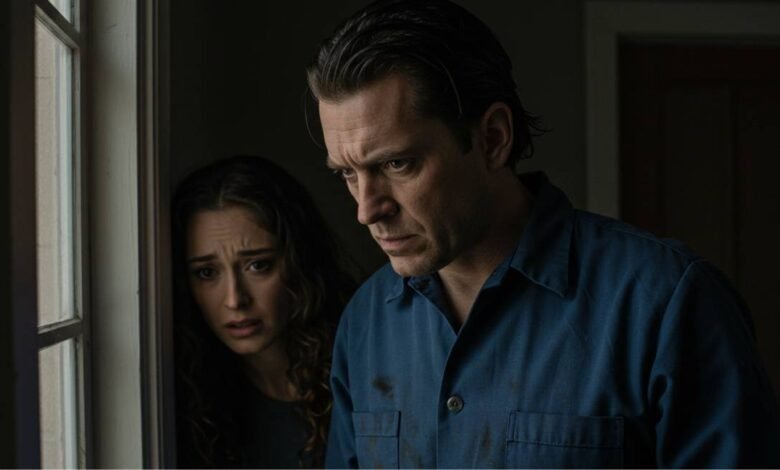
Marriage is built on love, trust, and mutual effort. But sometimes, things change quietly over time. Love may fade, or one partner may begin to feel differently. For many wives, the most painful realization is sensing that their husband may no longer love them the way he once did.
This realization doesn’t usually happen overnight. Instead, it reveals itself through small, subtle signs that something isn’t right. If you’ve been feeling distant from your husband, you may wonder if he has fallen out of love with you—or if life’s pressures are simply taking a toll.
In this article, we’ll explore 10 subtle clues your husband may no longer love you, why they matter, and what you can do about them. Remember: these are signs to reflect on, not automatic proof. Every marriage is unique, and open communication is the first step toward clarity.
1. He Stops Communicating With You
One of the strongest indicators of love is open communication. If your husband no longer shares his thoughts, dreams, or even daily experiences with you, it could mean he is emotionally pulling away.
- Conversations may feel shallow or transactional.
- He avoids deep discussions about the relationship.
- He prefers silence or distractions (like his phone, TV, or work) instead of talking.
When communication fades, intimacy weakens. Love thrives on emotional connection, and without conversation, that bond begins to dissolve.
What to do: Gently try opening up about how you feel. Avoid accusations, and instead use “I feel” statements to invite dialogue.
2. He Shows Little Interest in Your Life
A loving husband is usually curious about his wife’s world—her thoughts, feelings, goals, and struggles. If your husband rarely asks how your day went or seems uninterested in your emotions, it could suggest emotional detachment.
- He forgets important details about your life.
- He doesn’t ask questions about your day or your feelings.
- He dismisses your concerns or passions.
When someone stops investing emotionally, it’s often because their love or commitment has waned.
What to do: Share openly and see if he engages. If he consistently shows no interest, it may reflect deeper issues in the relationship.
3. He Withdraws Affection
Physical touch is one of the most powerful expressions of love. When a husband suddenly withdraws from affectionate gestures like holding hands, hugging, or kissing, it may be a sign his feelings are changing.
- You notice a lack of intimacy in the bedroom.
- He avoids casual touch, like brushing against you or sitting close.
- Affection feels forced rather than natural.
While stress and fatigue can affect physical closeness, a long-term pattern of avoidance often signals deeper problems.
What to do: Communicate your needs calmly. Ask if something is bothering him rather than accusing him of rejection.
4. He Spends More Time Away From Home
If your husband seems to prefer being anywhere but home—whether at work, with friends, or absorbed in hobbies—it may suggest he no longer finds joy in your company.
- He makes excuses to stay out late.
- He prioritizes others over spending time with you.
- He appears relieved when he doesn’t have to be home.
A man in love usually looks forward to being with his partner. When that changes, it can be a subtle but powerful clue.
What to do: Suggest quality time together. If he resists consistently, it may confirm he is pulling away emotionally.
5. He Criticizes You More Often
Constructive criticism is normal in relationships. But constant negativity, harsh words, or nitpicking may reflect deeper resentment or lost affection.
- He criticizes your looks, habits, or personality.
- Compliments and kindness are replaced with complaints.
- His tone feels hostile instead of loving.
When love fades, admiration often turns into irritation. Instead of appreciating you, he may focus only on flaws.
What to do: Address hurtful comments directly. Express how they affect you, and see if he is willing to change.
6. He Stops Making Future Plans With You
Couples in love naturally talk about the future—whether it’s vacations, financial goals, or family dreams. If your husband avoids these conversations or seems uninterested in long-term planning, it may mean he no longer sees you as part of his future.
- He avoids discussions about shared goals.
- He seems detached when you mention long-term plans.
- He makes solo decisions without considering you.
When a husband stops envisioning a life with his wife, it’s a troubling sign.
What to do: Gently ask about his vision for the future. If he resists including you, it’s time for a deeper conversation.
7. He Appears Irritated or Cold Around You
When love is strong, even little annoyances don’t overshadow affection. But when love fades, small things can suddenly become intolerable.
- He snaps easily over minor issues.
- His tone is cold or dismissive.
- He seems impatient just being around you.
This emotional distance can leave you feeling unappreciated and unloved.
What to do: Stay calm when he reacts this way. Ask what’s truly bothering him instead of engaging in conflict.
8. He Avoids Physical Intimacy
A healthy marriage often includes sexual connection. If your husband avoids intimacy for extended periods without explanation, it may signal that his emotional bond has weakened.
- He makes excuses to avoid intimacy.
- He shows no interest in your physical closeness.
- Sex feels like an obligation rather than an expression of love.
While medical or stress-related issues can play a role, long-term avoidance may suggest deeper emotional disconnection.
What to do: Approach the subject gently, asking if something is wrong. Be sensitive, but also express your need for intimacy.
9. He No Longer Defends or Supports You
In a loving relationship, spouses protect and support each other. If your husband fails to stand by you in conflicts, dismisses your struggles, or minimizes your needs, it may reflect a lack of emotional investment.
- He doesn’t back you up in arguments.
- He downplays your feelings.
- He shows little concern for your well-being.
A lack of support can make you feel isolated within your own marriage.
What to do: Express how much his support means to you. If he still shows indifference, it may signal fading love.
10. You Feel Like Strangers
Perhaps the most painful clue of all is the overall sense of distance. If you feel like you live with a stranger rather than your life partner, it’s often because emotional intimacy has faded.
- Conversations feel forced.
- You no longer laugh or enjoy simple moments together.
- There’s more silence than connection.
Love creates warmth and closeness. Without it, a relationship feels cold and empty.
What to do: Share your feelings honestly. If he acknowledges the distance and wants to work on it, there’s hope. If not, it may be time to reevaluate your future together.
Why These Signs Matter
These clues matter because love is the foundation of marriage. Without it, a relationship can survive but may not thrive. Recognizing the signs early gives you the opportunity to either repair the bond or make decisions for your own well-being.
Not all of these signs automatically mean your husband doesn’t love you anymore. Stress, work, health issues, or personal struggles can also cause distance. That’s why communication is key.
What You Can Do If You Notice These Signs
If you’ve recognized several of these clues in your marriage, here are steps you can take:
- Communicate openly: Share your feelings without blame.
- Listen actively: Give him space to express himself honestly.
- Seek counseling: Professional guidance can help you both reconnect.
- Focus on self-care: Your happiness and well-being matter.
- Evaluate the relationship: If love is gone and cannot be revived, you may need to consider healthier paths forward.
Final Thoughts
Marriage is a journey filled with highs and lows, moments of deep connection and times of distance. Feeling that your husband may no longer love you is heartbreaking, but it doesn’t always mean the relationship is doomed. People change, circumstances shift, and sometimes love gets buried beneath the weight of stress, routine, or unresolved conflict. Recognizing the signs is not about confirming your worst fears—it’s about becoming more aware of what is happening in your marriage so that you can take steps toward clarity.
These 10 subtle clues are meant to guide reflection, not fuel assumptions. Sometimes what looks like fading love may instead be exhaustion, unspoken frustrations, or emotional wounds that need healing. That’s why the most powerful step you can take is choosing communication over silence. When you express your feelings with honesty and compassion, you invite your partner into a space where healing and reconnection are possible.
It’s also important to remember that your well-being matters. While saving the marriage may be your hope, it’s equally vital to prioritize your emotional and mental health. If your husband is willing to work with you, professional counseling, patience, and renewed effort can rebuild the bond. However, if he remains closed off and unwilling, letting go might eventually become the path to peace.
Love, in its truest form, should bring safety, comfort, and joy. If your marriage no longer provides these things, then courageously facing that truth is an act of self-respect. Whether your story is one of rebuilding love or embracing independence, you deserve clarity, peace, and happiness.
By recognizing the signs, addressing them directly, and making decisions from a place of strength rather than fear, you give yourself the chance to either restore the relationship or move forward with dignity. No matter the outcome, remember—you are worthy of love that is genuine, supportive, and lasting.