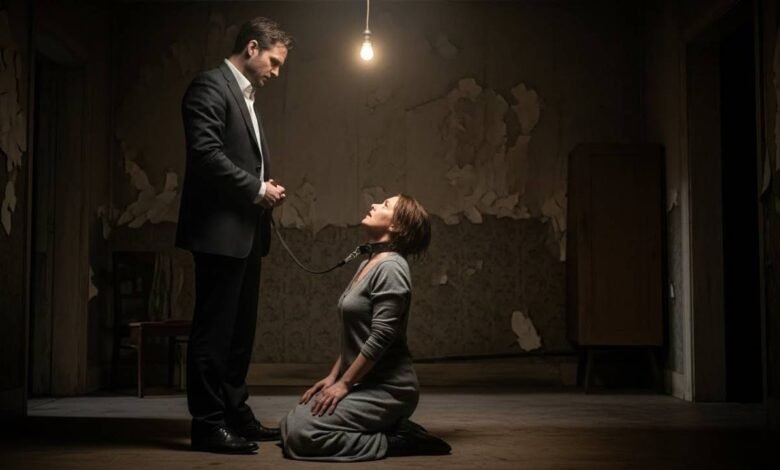
In the early stages of a relationship, everything can feel exciting, intense, and full of promise. New love often brings a rush of attention, affection, and emotional closeness that feels deeply validating. His interest may seem flattering, his concern may feel protective, and his constant presence may come across as romantic devotion. During this phase, it’s easy to interpret strong emotions as a sign of deep connection—especially when the relationship feels passionate and all-consuming.
However, not all intense behavior is rooted in healthy love. Sometimes, what initially appears to be affection and care can slowly evolve into control. The shift is rarely sudden or obvious. Controlling behavior usually develops in subtle, almost invisible ways, making it difficult to recognize at first. It may be framed as protection, disguised as worry, or justified as “just wanting the best for you.” Over time, these behaviors can begin to limit your choices, influence your decisions, and make you question your independence—often without you realizing how it happened.
One of the most challenging aspects of control is that it doesn’t start with cruelty or aggression. Instead, it often hides behind charm, attentiveness, and emotional intensity. A controlling man may present himself as deeply invested in your happiness, eager to be involved in every part of your life. But beneath that involvement can be an underlying need for power, dominance, or reassurance that comes at the expense of your autonomy.
Recognizing the early red flags of a controlling man is essential for protecting your emotional well-being, your sense of self, and your future. Control is not about love, commitment, or concern—it is about power and influence. The longer controlling patterns go unnoticed, the harder they become to challenge or escape. Early awareness gives you clarity, confidence, and the ability to make informed choices before emotional damage takes root.
The signs may not always be dramatic or extreme, but they are meaningful. Paying attention to how you feel, how your boundaries are treated, and how your independence is respected can reveal a great deal about the true nature of a relationship. Below are 20 early red flags that may indicate a man is controlling, even if he appears charming, caring, or attentive on the surface.
1. He Moves the Relationship Too Fast
If he pushes for intense commitment very early—talking about marriage, living together, or “forever” within weeks—it may feel romantic, but it can be a warning sign. Rushing intimacy can be a way to create emotional dependence before you’ve had time to see his true behavior.
Healthy relationships grow at a steady, mutual pace.
2. He Gets Upset When You Say No
A controlling man struggles to respect boundaries. If he becomes annoyed, sulky, or angry when you decline plans, refuse intimacy, or disagree with him, take note. Your “no” should be accepted without punishment.
Discomfort with your boundaries often signals future attempts to override them.
3. He Constantly Checks Up on You
Frequent texts like “Where are you?” or “Who are you with?” may seem caring at first. But if he expects instant replies or gets irritated when you don’t respond immediately, it can cross into monitoring rather than interest.
Trust doesn’t require constant surveillance.
4. He Tries to Control How You Dress
Comments about your clothing—especially framed as “concern” or “respect”—can be an early sign of control. If he pressures you to dress more modestly, differently, or only in ways he approves of, it’s not about your comfort. It’s about his authority.
Your body and style are your choices.
5. He Dislikes Your Friends or Family
A controlling man often criticizes or undermines the people closest to you. He may say your friends are “bad influences” or that your family doesn’t respect him. Over time, this can isolate you and make him your primary emotional support.
Isolation is a common control tactic.
6. He Guilt-Trips You Frequently
Instead of communicating openly, he uses guilt to get his way. Statements like “If you really loved me, you would…” or “I guess I don’t matter to you” are emotional manipulation tools.
Love doesn’t rely on guilt or obligation.
7. He Gets Jealous Easily
Occasional jealousy is human, but excessive jealousy—especially without reason—is a red flag. If he accuses you of flirting, cheating, or “leading people on” despite no evidence, it reflects insecurity and possessiveness.
Jealousy can quickly turn into control.
8. He Monitors Your Social Media
If he comments on who you follow, what you post, or who likes your photos, it’s worth paying attention. Demanding passwords or access to your accounts is a serious boundary violation.
Privacy is essential in healthy relationships.
9. He Subtly Puts You Down
Controlling men often disguise criticism as jokes or “honesty.” He might mock your opinions, intelligence, or appearance and then claim you’re “too sensitive” if you react.
Consistent subtle criticism can erode your self-esteem over time.
10. He Needs to Know Everything
If he expects full access to your thoughts, plans, conversations, and whereabouts, it can signal control. Wanting transparency is one thing; demanding constant disclosure is another.
You’re allowed to have personal space and independence.
11. He Plays the Victim
A controlling man may twist situations so he always appears hurt or misunderstood. When confronted, he avoids accountability by portraying himself as the victim, making you feel responsible for his emotions.
This keeps you walking on eggshells.
12. He Gets Angry Over Small Things
Early emotional volatility—over minor disagreements or misunderstandings—is a warning sign. If his reactions feel disproportionate, unpredictable, or intimidating, control may be building beneath the surface.
Anger is often used to enforce compliance.
13. He Pressures You to Change
Encouraging growth is healthy. Pressuring you to change your personality, goals, beliefs, or lifestyle to suit him is not. If you feel like you’re constantly adjusting yourself to keep the peace, control may be at play.
Love should not require self-erasure.
14. He Makes Decisions for You
If he frequently decides what you should do, where you should go, or how you should live—without asking your input—it’s a clear red flag. Control thrives when your autonomy is slowly removed.
Partnership means shared decision-making.
15. He Uses “Protection” as an Excuse
Statements like “I’m just trying to protect you” can sound caring but may hide controlling intentions—especially if “protection” involves limiting your freedom, social life, or choices.
Protection should empower, not restrict.
16. He Doesn’t Respect Your Independence
If he resents your career, hobbies, or goals—especially those that don’t involve him—it can indicate insecurity and control. A supportive partner celebrates your independence, not competes with it.
Your life shouldn’t shrink to fit someone else.
17. He Needs Constant Reassurance
Excessive need for reassurance can turn into emotional control. If you feel responsible for constantly soothing his fears or proving your loyalty, the balance becomes unhealthy.
Emotional security should be internal, not demanded.
18. He Uses Silent Treatment as Punishment
Ignoring you, withdrawing affection, or refusing communication to “teach you a lesson” is a manipulative control tactic. Silence becomes a way to force compliance rather than resolve conflict.
Healthy communication doesn’t involve punishment.
19. He Minimizes Your Feelings
If he regularly dismisses your emotions—saying you’re overreacting, dramatic, or imagining things—it can cause self-doubt. This behavior can make you question your own reality over time.
Your feelings deserve validation.
20. You Feel Anxious Around Him
If you’re constantly anxious, careful with your words, or afraid of upsetting him, your intuition may be warning you. Control often shows up as emotional tension before it becomes obvious behavior.
Your body often recognizes danger before your mind does.
Why Early Awareness Matters
Controlling behavior tends to escalate gradually. What begins as “concern” can turn into restriction. What starts as jealousy can become accusation. The earlier you recognize these patterns, the easier it is to protect yourself.
Leaving or setting boundaries early is not overreacting—it’s self-respect.
Final Thoughts
A healthy relationship is built on trust, respect, equality, and freedom. Love should never feel like something you have to earn, prove, or constantly defend. At its core, a loving partnership allows both people to be fully themselves—free to express opinions, maintain friendships, pursue personal goals, and make independent choices without fear of punishment or rejection.
If you recognize several of these red flags, take them seriously. Controlling behaviors rarely fade on their own and often intensify over time. A partner who truly cares will respect your boundaries, support your independence, and value your individuality.
Remember, love should add to your life—not shrink it. Control is not devotion, and possessiveness is not love. Healthy love is rooted in mutual trust, not fear or dominance.
Above all, trust your instincts. That uneasy feeling is often your intuition trying to protect you. You are allowed to choose relationships that feel supportive, balanced, and genuinely loving.