
Love is undeniably one of the most profound and transformative emotions humans can experience. It has the power to uplift our spirits during difficult times, provide comfort when we feel alone, and give life a sense of purpose and meaning that few other experiences can match. Love can inspire creativity, encourage personal growth, and even heal emotional wounds. It’s a force that drives people to connect, care, and commit, shaping the way we see ourselves and the world around us.
However, while love is beautiful and enriching, the pursuit of it can sometimes take an unhealthy turn. For some, the desire for affection or acceptance can become overwhelming, leading them to beg for love. This act—pleading, overextending, or compromising one’s own boundaries to gain someone else’s affection—often comes from deeper emotional issues such as fear of abandonment, low self-esteem, or a sense of desperation. Instead of fostering closeness, it can create imbalance, anxiety, and even resentment in relationships.
This raises an important question: is begging for love ever truly a good idea? While it may seem like a way to secure connection or prevent loss, the reality is far more complex. Begging for love rarely results in genuine, lasting affection and often undermines the very self-respect that makes healthy relationships possible.
In this article, we will delve into the psychology behind why people beg for love, the emotional consequences of this behavior, and practical, healthier approaches to building relationships that are meaningful, balanced, and fulfilling. By understanding the dynamics of love, self-worth, and emotional independence, you can learn how to foster connections that are not only rewarding but also sustainable over the long term.

1. Understanding Begging for Love
Begging for love can be defined as persistently seeking affection, attention, or validation from someone, even when it’s clear that the feelings are not mutual. It often manifests through:
- Constantly asking for reassurance
- Pleading for attention or time
- Sacrificing personal boundaries to please someone
- Ignoring one’s own needs and desires
At its core, begging for love is usually a sign of emotional insecurity or fear of rejection. While everyone experiences vulnerability in relationships, repeatedly pleading for love can indicate a deeper psychological pattern.
2. Why People Beg for Love
Several factors can drive someone to beg for love:
a. Low Self-Esteem
Individuals with low self-worth often believe they aren’t deserving of love. This mindset can make them cling to someone who doesn’t reciprocate their feelings. They may think, “If I just try harder, maybe they will love me.”
b. Fear of Abandonment
Fear of being alone is a powerful motivator. People who dread abandonment may go to extreme lengths to keep someone in their life, even if it means compromising their dignity or values.
c. Emotional Dependency
Some individuals rely on another person for emotional validation. This dependency can create a cycle where they constantly seek approval, attention, or affection, often through pleading or begging.
d. Misunderstanding Love
Many people mistake love for attention or control. They may believe that persistent efforts to win someone over is a sign of commitment rather than manipulation.
3. The Psychological Impact of Begging for Love
While it may seem like begging is a harmless way to express feelings, it can have profound emotional and mental consequences:
a. Reduced Self-Worth
Repeatedly pleading for affection reinforces the idea that you are not worthy unless you earn love through efforts or sacrifices. This can lower self-esteem and self-respect over time.
b. Increased Anxiety and Stress
Begging for love often involves obsessing over the other person’s reactions, worrying about rejection, and constantly seeking reassurance. This can lead to heightened anxiety and chronic stress.
c. Emotional Burnout
Putting your emotional energy into someone who doesn’t reciprocate can be exhausting. You may feel drained, frustrated, and unfulfilled.
d. Relationship Imbalance
Begging for love can create a power imbalance. The person receiving the attention may feel pressured or controlled, leading to resentment or withdrawal.
4. Why Begging for Love Rarely Works
It’s tempting to think that showing extreme devotion will make someone love you, but begging usually backfires for several reasons:

a. Love Cannot Be Forced
Authentic love is freely given. No amount of pleading can make someone genuinely care if their feelings aren’t there.
b. Creates Resentment
When someone feels pressured to respond to your pleas, they may start feeling trapped or resentful rather than affectionate.
c. Reduces Your Attractiveness
Paradoxically, desperation can push people away. Confidence and self-respect are attractive traits, while begging can signal insecurity or dependency.
d. Damages Long-Term Relationships
Even if begging initially results in attention, it rarely builds a sustainable, healthy relationship. The dynamic often becomes codependent or manipulative over time.
5. Signs You Might Be Begging for Love
It’s important to recognize when your behavior crosses the line from healthy expression to pleading:
- You constantly text or call without getting responses.
- You feel anxious or upset when someone doesn’t reciprocate affection immediately.
- You sacrifice your boundaries to keep someone happy.
- You excuse repeated hurtful behavior just to stay in the relationship.
- You feel desperate for validation from one person only.
If these patterns resonate, it’s time to reflect on your approach to love and relationships.
6. Healthy Alternatives to Begging for Love
Instead of pleading for love, focus on building self-respect, confidence, and genuine connections:
a. Practice Self-Love
Self-love is the foundation for healthy relationships. Recognize your worth and treat yourself with care. Activities like journaling, self-care routines, and setting personal goals reinforce self-respect.
b. Build Emotional Independence
Relying on another person for your happiness creates dependency. Focus on cultivating your own emotional stability through hobbies, friendships, and personal growth.
c. Communicate Openly
Express your feelings without pleading or pressuring the other person. Honest communication fosters mutual respect and understanding.
d. Set Boundaries
Boundaries protect your emotional well-being. Know when to step back if someone doesn’t reciprocate your feelings or respect your needs.
e. Focus on Mutual Love
Seek relationships where affection, respect, and effort are mutual. Healthy relationships are built on balance, not desperation.
7. Understanding Rejection
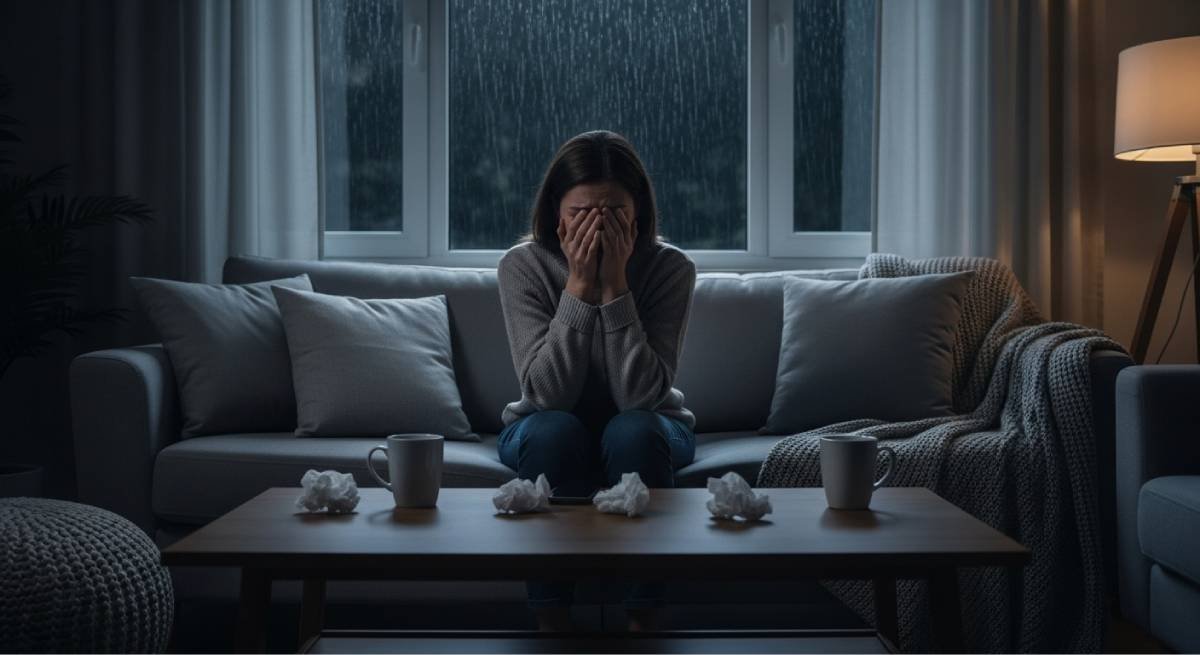
Part of avoiding begging for love is accepting that rejection is a natural part of life. Being rejected does not diminish your worth. Instead, it allows you to redirect energy toward people and relationships that genuinely value you.
a. Don’t Personalize It
Someone’s lack of romantic interest often says more about them than you. Avoid internalizing rejection as a personal failure.
b. Learn From the Experience
Use rejection as a learning opportunity. Reflect on what you truly need in a relationship and how to recognize compatible partners in the future.
8. When to Seek Professional Help
Persistent patterns of begging for love can be linked to deeper emotional or psychological issues, such as:
- Chronic low self-esteem
- Fear of abandonment
- Past trauma or attachment issues
- Codependency
Therapy or counseling can help break unhealthy patterns, build confidence, and develop healthier ways to connect with others.
9. Real-Life Stories
Many people have realized that begging for love is counterproductive. For instance:
- Emma’s Story: She spent months pleading for her partner’s attention, only to realize she was depleting her emotional energy. After focusing on self-growth, she attracted a partner who valued her naturally.
- David’s Story: He constantly sought validation from a crush, leading to frustration and anxiety. Learning to prioritize his own passions and friendships improved his emotional well-being and opened doors to mutual love.
These examples highlight that stepping back and valuing yourself is far more effective than begging.
Conclusion: The Truth About Begging for Love
Begging for love may feel like a shortcut to closeness or validation, especially in moments of loneliness or insecurity, but in reality, it rarely works in the long term. While it might temporarily gain attention or sympathy, it doesn’t foster genuine connection. Over time, this behavior can erode your self-worth, create emotional imbalance, and even push people away instead of drawing them closer. Relationships built on pleading or desperation often carry hidden resentment, dissatisfaction, and imbalance that undermine true intimacy.
Instead of seeking love through desperation, focus on cultivating self-love, emotional independence, and mutual respect. Self-love means recognizing your inherent worth, taking care of your own needs, and refusing to compromise your boundaries just to keep someone’s affection. Emotional independence allows you to engage in a relationship from a place of strength rather than neediness, making your connections healthier, more sustainable, and mutually satisfying. Mutual respect ensures that both partners contribute to the relationship willingly, creating a foundation where love is freely given, not demanded or coerced.
Remember, you deserve someone who chooses to love you—not someone who is persuaded, pressured, or guilted into staying. True love doesn’t require pleading or sacrifice of your dignity; it is a partnership built on equality, respect, and shared emotional investment. It thrives when both individuals feel valued, safe, and empowered to be themselves without fear of rejection for simply asserting their needs.
The key takeaway is this: while begging for love might seem like a tempting way to gain affection or prevent loss, it rarely leads to lasting happiness. By valuing yourself, setting healthy boundaries, and seeking connections where love is mutual, you create the conditions for relationships that are fulfilling, stable, and deeply nourishing. True love isn’t something you chase—it’s something that grows naturally when both partners are emotionally whole and mutually committed.
Ultimately, letting go of the urge to beg for love is not about giving up; it’s about choosing self-respect over desperation. When you prioritize your own worth, you attract people who genuinely appreciate and reciprocate your love—because they want to, not because you begged them to. This shift from pleading to empowerment is where authentic love begins and thrives.