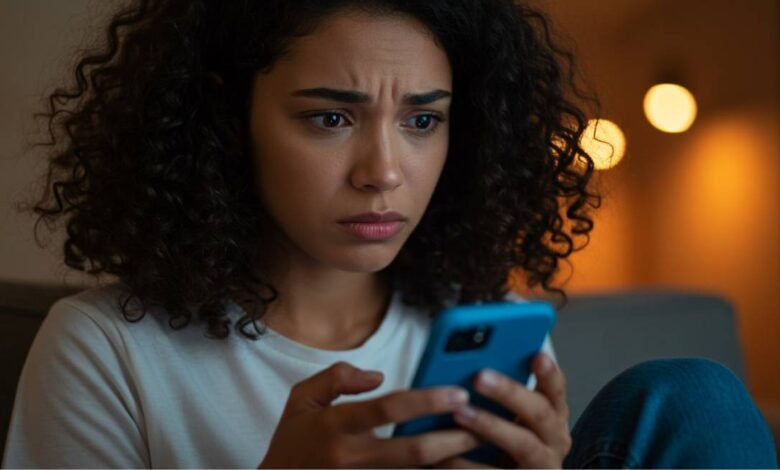
Texting has become one of the main ways couples communicate today. It’s instant, convenient, and often feels easier than talking face-to-face. A simple “good morning” can brighten your partner’s day, and a quick “thinking of you” can make them feel loved no matter the distance. Texts can bridge gaps when you’re apart and offer reassurance when life gets busy.
But here’s the catch: while texting can strengthen connection, the wrong words—or even the right words sent at the wrong time—can slowly chip away at trust and intimacy. Because texts are permanent, a message sent in frustration or carelessness can linger long after the moment has passed. What was meant as a joke can read as criticism. What was meant as a quick response can come across as dismissive.
Many people don’t realize just how powerful a single message can be. In face-to-face conversations, you have tone of voice, facial expressions, and body language to soften your words or add warmth. You can quickly clarify misunderstandings if your partner looks confused or upset. A text, however, stands alone. It lacks nuance. Without context, a message can easily be misread as cold, distant, or even disrespectful—sometimes sparking arguments that were never intended.
That’s why being intentional with what you text matters just as much as what you say in person. Healthy communication isn’t only about choosing the right words—it’s about avoiding the wrong ones. And when it comes to texting, knowing what not to send is often the difference between closeness and conflict.
In this guide, we’ll explore 15 types of texts that can quietly ruin your relationship if left unchecked. More importantly, you’ll also discover what you can say or do instead to express your feelings in a healthier, more constructive way. These small changes can protect your bond, deepen your intimacy, and ensure that your texts build love rather than break it down.
1. The “We Need to Talk” Text
This simple four-word text has the power to make your partner’s heart sink. Why? Because it feels like a warning siren. Without context, your partner is left to imagine the worst—breakups, betrayals, or looming fights.
Why it’s harmful: It triggers unnecessary anxiety. Instead of preparing your partner for a constructive conversation, it puts them on the defensive.
What to do instead: If you need to discuss something serious, say:
“I’d love to talk about something important later when we’re both free.”
This way, you set the stage without creating panic.
2. The Silent Treatment via Text
Completely ignoring your partner’s texts or leaving them on “read” may seem harmless, but it can feel like punishment.
Why it’s harmful: Silence communicates disapproval, anger, or lack of interest—even if that’s not your intention.
What to do instead: If you need space, let them know:
“I’m feeling overwhelmed right now. Can we talk later when I’m calmer?”
This shows respect while also creating healthy boundaries.
3. The One-Word Replies
“Fine.” “K.” “Whatever.” Short, dismissive responses can make your partner feel unimportant or like you’re too busy for them.
Why it’s harmful: One-word replies often sound cold and disinterested, which can slowly erode emotional closeness.
What to do instead: Even if you’re busy, try:
“Hey, can’t chat much right now, but I’ll text you properly later.”
4. The Jealousy Test Text
“Who were you with?” “Why didn’t you text me back?” “Who liked your photo?”
Why it’s harmful: These texts create a sense of surveillance rather than trust. Jealousy expressed through texts feels controlling.
What to do instead: Express your feelings without blame:
“I felt a little insecure when I didn’t hear from you. Can we talk about it?”
5. The Drunk Text
Late-night “I miss you” or “I hate you” texts after a few drinks may feel harmless in the moment, but they can leave a lasting negative impression.
Why it’s harmful: Alcohol lowers inhibitions, making you more likely to say things you don’t mean—or reveal emotions in a messy way.
What to do instead: Save emotional conversations for sober moments. If you must, jot your feelings in notes and revisit them later.
6. The Over-Texting Habit
Sending multiple texts in a row like, “Hey??” “Why aren’t you answering?” “Are you ignoring me?” can come across as needy.
Why it’s harmful: It creates pressure and makes your partner feel smothered.
What to do instead: Trust their timing. One thoughtful message is better than 10 anxious ones.
7. The Accusation Text
“You never care about me.”
“You’re always ignoring me.”
Why it’s harmful: Sweeping generalizations delivered via text escalate conflict quickly.
What to do instead: Use “I” statements:
“I feel hurt when I don’t hear from you. Can we find a way to stay more connected?”
8. The Sarcastic or Passive-Aggressive Text
“Oh sure, you’re too busy again.”
“Guess I’ll just get used to being ignored.”
Why it’s harmful: Sarcasm often doesn’t translate over text, leaving room for misinterpretation and resentment.
What to do instead: Be direct about your needs without hidden jabs.
9. The Screenshot Text
Forwarding a screenshot of something your partner said earlier—or comparing them to others—can feel like an attack.
Why it’s harmful: It puts your partner on trial instead of fostering teamwork.
What to do instead: Talk directly. Screenshots should never be weapons in a relationship.
10. The Breakup Over Text
Ending a relationship through a few typed words may seem easier, but it’s deeply disrespectful.
Why it’s harmful: It minimizes the relationship’s importance and leaves emotional wounds.
What to do instead: If you must end things, do it face-to-face or at least through a heartfelt call.
11. The Ex-Comparison Text
“Why can’t you be more like my ex?”
“My ex used to do this for me.”
Why it’s harmful: Comparing your partner to an ex via text is one of the fastest ways to damage trust and self-esteem.
What to do instead: Focus on your partner’s strengths and voice needs without comparisons.
12. The Ultimatum Text
“If you don’t do this, we’re done.”
Why it’s harmful: Texting ultimatums escalates conflict and rarely leads to healthy resolution.
What to do instead: Frame your needs as boundaries instead of threats.
13. The Oversharing Text
Sending a flood of complaints, rants, or emotional outbursts can overwhelm your partner.
Why it’s harmful: Your partner may feel burdened instead of supportive, especially if texts replace real conversations.
What to do instead: Share feelings in moderation and save deeper discussions for in person.
14. The Dismissive Text
“Relax.”
“You’re overreacting.”
Why it’s harmful: These responses invalidate emotions, making your partner feel unheard.
What to do instead: Show empathy:
“I can see you’re upset. Let’s talk this through.”
15. The Ghosting Text—or No Text at All
Suddenly disappearing without explanation can deeply hurt your partner.
Why it’s harmful: Ghosting communicates disregard and avoids accountability.
What to do instead: Even if you need space, say so openly. Honesty, even when hard, builds trust.
Why These Texts Do So Much Damage
Relationships thrive on communication, but texting lacks nuance. Without tone of voice or facial expressions, even small words can sound harsher than intended. That’s why being intentional matters so much.
When you avoid these 15 texting pitfalls, you protect your relationship from unnecessary misunderstandings. Instead of letting messages create distance, you’ll use them to bring closeness.
Healthy Texting Habits to Build Instead
- Use texting for connection, not confrontation. Share encouragement, appreciation, and small check-ins.
- Save serious conversations for face-to-face talks. Text can’t replace genuine dialogue.
- Balance frequency. Show interest without overwhelming your partner.
- Express emotions clearly. Avoid sarcasm or vague hints.
- Be mindful of timing. Respect when your partner is busy or needs space.
Final Thoughts
Your phone may seem like just a tool, but the words you send shape the emotional climate of your relationship more than most people realize. Every text carries a tone, an intention, and an emotional weight—even if you didn’t mean it that way. A careless message typed in frustration can plant seeds of doubt, insecurity, or resentment, while a thoughtful, kind message can strengthen trust, remind your partner of your care, and bring you closer together.
By avoiding these 15 texts that can ruin your relationship, you’re not just sidestepping unnecessary drama—you’re actively choosing to communicate with respect, empathy, and maturity. This doesn’t mean you have to overthink every word you type, but it does mean being mindful of timing, tone, and intention. When you pause before hitting send, you give yourself the chance to respond with love rather than react out of impulse.
Healthy communication is one of the strongest foundations any relationship can have. Texting is simply an extension of that—it should support the connection you’re building, not replace it. The best relationships thrive when both partners feel safe, heard, and valued, and that includes the messages exchanged throughout the day.
In the end, texting should never replace love—it should reflect it. Use your words to encourage, to reassure, and to connect. Let your messages be a reminder that your partner matters to you, even in the small moments. Because when your texts mirror care, respect, and kindness, they become more than just words on a screen—they become daily threads weaving your relationship closer together.